

Understanding Garage Door Spring Types for Your Home
Garage door springs help counterbalance the weight of the door each time it opens and closes. Although they are easy to overlook, they play an important role in smooth, reliable operation.
A loud bang, a door that will not open properly, or uneven movement may indicate a damaged or broken spring. Understanding your spring system can help you recognize warning signs and know when professional service is needed.
This guide explains the main types of garage door springs, how they work, and why repairs and replacements should be handled by trained professionals.
What Do Garage Door Springs Do?
Springs counterbalance the weight of the door, helping the opener lift it smoothly and making manual operation easier when appropriate. Without properly functioning springs, the full weight of the door can make operation difficult and unsafe.
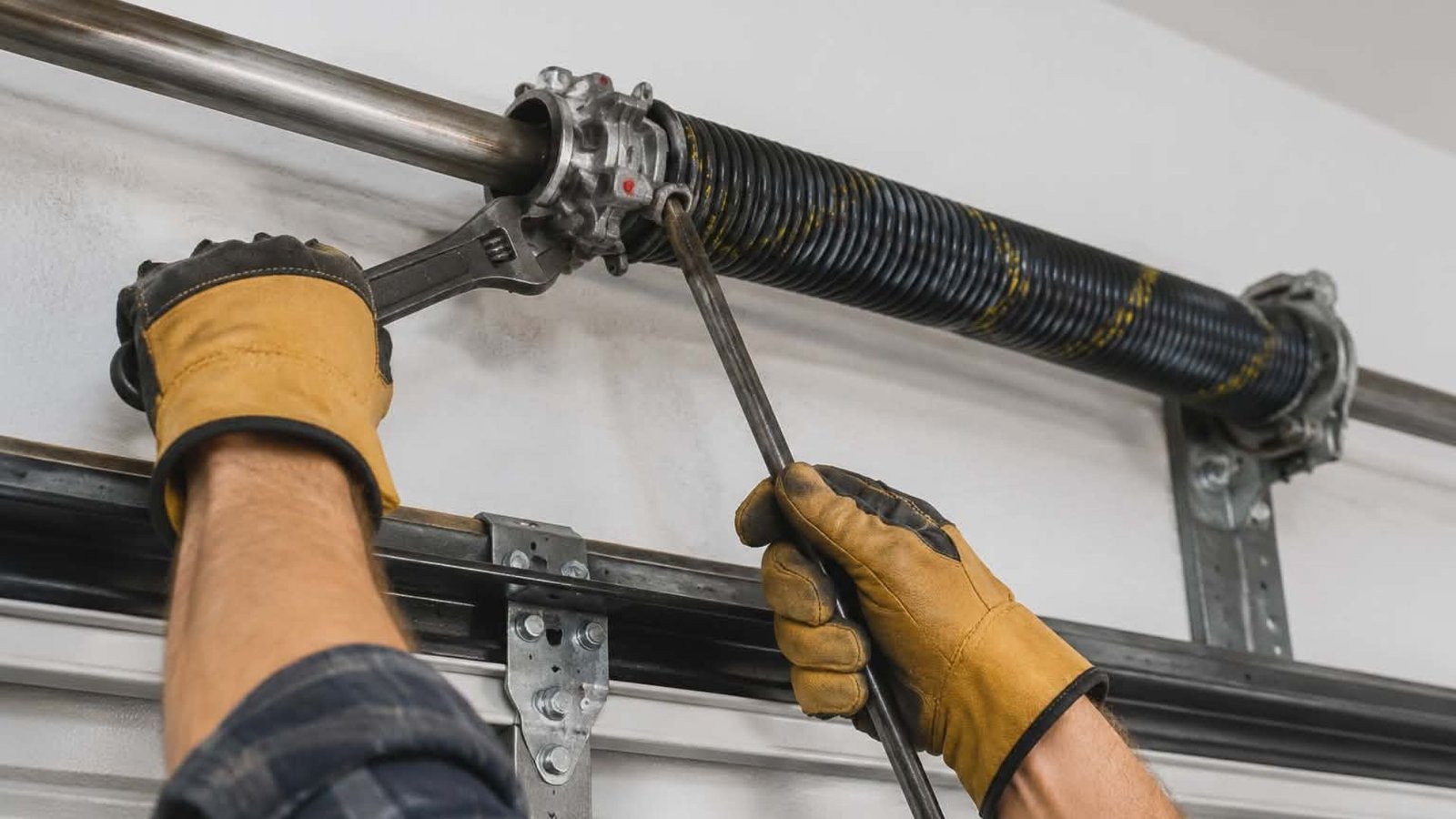
Because these components store significant tension, they should never be adjusted, removed, or replaced without the proper training and equipment. A damaged spring assembly can create serious risks for homeowners and property.
The Two Main Types of Garage Door Springs
Residential garage doors generally use one of two spring systems: torsion springs or extension springs. Both help lift and lower the door, but they are positioned differently and operate in different ways.
Torsion Springs
A torsion spring is commonly installed above the garage door opening on a metal shaft. As the door closes, the spring winds and stores energy. When the door opens, that stored energy helps lift the door.
Torsion systems are commonly used on residential doors because they are designed to provide controlled, balanced movement. Depending on the door and spring specifications, they may also provide longer service life than some extension-spring setups.
Several torsion-system designs may be found in residential or commercial applications:
- Standard torsion springs: Commonly installed above residential garage doors on a metal shaft.
- Rolling door torsion springs: Used for certain rolling doors, often in commercial settings.
- EZ-SET® torsion spring systems: Branded systems that use specialized winding components.
- TorqueMaster® Plus systems: Wayne Dalton systems that enclose the springs inside a steel tube and include an anti-drop safety feature.
Because spring systems must match the door’s weight, height, hardware, and configuration, a professional should identify the appropriate replacement when service is needed.
Extension Springs
Extension springs are generally installed along the horizontal tracks on both sides of the door. Instead of winding around a shaft, these springs stretch as the door closes and contract as it opens. Cables and pulleys help transfer the spring force to the door.
Extension systems may be found in older residential setups or on certain lighter doors. They can sometimes have a lower upfront cost than torsion systems, but they typically involve exposed springs, cables, and additional moving components.
Extension-spring configurations can vary. Replacement parts should match the existing system and the specific requirements of the door rather than being selected based on appearance alone.
Torsion Springs vs. Extension Springs
The right spring system depends on the door, available space, existing hardware, and installation requirements. Important factors include:
Available Headroom
Torsion springs are usually mounted above the opening and require adequate space in that area. Extension springs run along the tracks and may be used in configurations where overhead space is limited.
Door Size and Weight
Wider or heavier doors often benefit from the controlled movement of a properly matched torsion system. Other residential doors may use extension springs based on the existing design and manufacturer specifications.
Upfront Cost and Long-Term Use
Extension systems may be less expensive initially in some situations. Torsion systems may cost more upfront, but many homeowners prefer their balanced movement and potential long-term durability.
Safety Considerations
All spring systems involve significant tension. Enclosed systems, such as TorqueMaster® Plus, are designed to keep the springs within a steel tube and include additional safety features. Regardless of the design, repairs and replacements should be completed by a qualified technician.
Understanding Spring Lifespan
Spring life is commonly measured in cycles, with one cycle representing one full opening and closing of the door. Actual service life depends on several factors, including:
- The spring rating
- The weight and configuration of the door
- How often the door is used
- Exposure to moisture, salt air, or corrosion
- Maintenance and overall system condition
Instead of relying on age alone, pay attention to how the door operates. Signs that a spring system may need attention include:
- A door that moves unevenly or appears crooked
- A door that becomes unusually heavy
- A visible gap in a torsion spring
- Rust, deformation, or damaged components
- Loud popping, snapping, grinding, or scraping sounds
- A door that opens only partially or will not open at all
Do not continue operating a door that appears unstable or has a visibly damaged spring.
Maintenance Tips for Garage Door Springs
Homeowners can help identify concerns early by visually observing the system and noting changes in operation. However, maintenance should never involve adjusting spring tension or handling damaged cables.
Follow these practical guidelines:
- Look for visible rust, gaps, deformation, loose cables, or damaged hardware.
- Listen for new or unusual sounds when the door operates.
- Watch for jerky, uneven, or unusually slow movement.
- Follow the manufacturer’s maintenance instructions and use only a recommended garage door lubricant when appropriate.
- Schedule professional service when you notice signs of wear or a change in door performance.
- Never attempt spring replacement or tension adjustment on your own.
Wear is normal over time, but early inspection can help identify problems before the door becomes difficult or unsafe to operate.
When to Call a Professional
Contact a professional if your door will not open properly, moves unevenly, becomes unusually heavy, or makes a loud popping sound. These symptoms may indicate a broken spring, damaged cable, or another issue within the counterbalance system.
Springs and cables are under high tension, and attempting a repair without the proper tools and training can lead to serious injury. A qualified technician can inspect the door, identify the correct spring system, and recommend repair or replacement based on the existing setup.
Level Up Garage Door provides spring repair and replacement services for homeowners in League City, Texas, and surrounding areas. Whether your door uses a torsion system, an extension system, or a branded configuration, professional service helps protect both the door and the people who use it.
Conclusion
Understanding the types of garage door springs can help homeowners recognize problems and make informed decisions about service. Torsion springs are commonly used for balanced operation, while extension springs remain part of many residential door systems.
Regardless of the spring type, repair or replacement is not a safe DIY project. For garage door spring inspection, repair, or replacement in League City and surrounding areas, contact Level Up Garage Door today.