
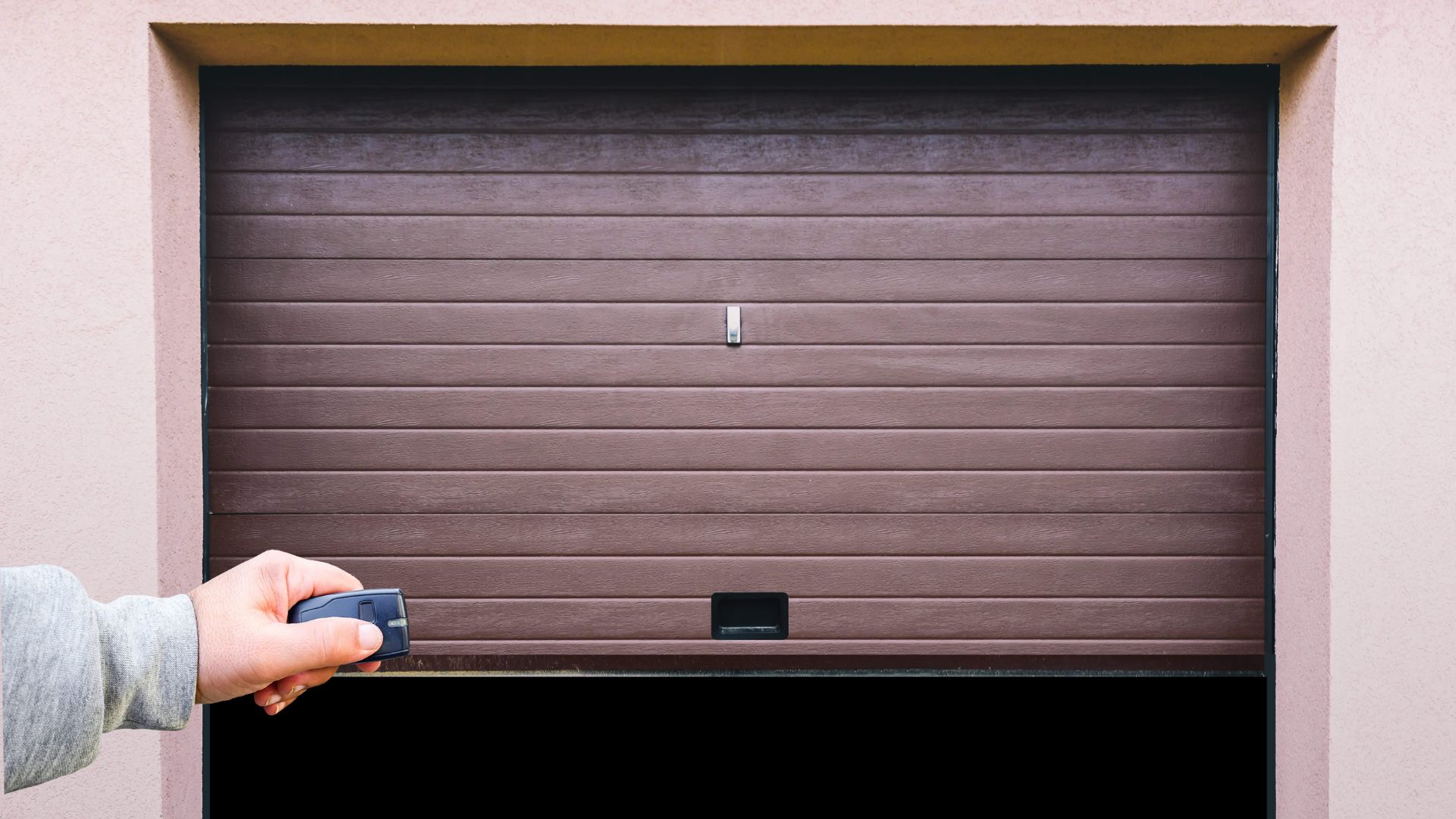

Your Garage Door Is Screeching Because Metal Is Grinding Bare Metal
That sound is hard to ignore. A loud, screeching garage door does not just wake up the neighbors – it is telling you something is seriously wrong. And in most cases, the culprit comes down to one simple problem: metal is grinding against bare metal with no lubrication in between.
Understanding why this happens, and what to do about it, can save you from a much more expensive repair down the road.
Why Metal-on-Metal Contact Causes That Screeching Noise
Your garage door is a system made up of dozens of moving parts. Hinges, rollers, tracks, torsion springs, brackets, and bearings all work together every time the door opens or closes.
When any of these parts run dry – meaning they have lost their lubricant coating – friction takes over.
Friction between two metal surfaces produces heat, wear, and that unmistakable screeching or grinding sound. Think of it the way you would think about a car engine running without oil. The Chevrolet Corvette, one of the most performance-focused cars ever built, would be destroyed within minutes if its engine ran dry. Your garage door is no different in principle. Without proper lubrication, the metal components eat away at each other.
The Parts Most Likely Causing the Screeching
Not every part of your garage door is equally likely to be the source of the noise. Here are the components you should inspect first.
Rollers and Hinges
The rollers are small wheels that ride inside the tracks and guide the door up and down.
Standard steel rollers have ball bearings inside them. When those bearings run dry, the metal-on-metal contact creates a screech that can be heard from inside the house.
Hinges connect the door panels to each other and allow the door to bend as it moves along the track. A dry hinge produces a grinding or squealing sound with every movement. Nylon rollers are quieter than steel ones and are worth considering if your current rollers are due for replacement.
Torsion Springs
The torsion spring sits above the garage door and stores mechanical energy to help lift the heavy door. Springs under tension experience a great deal of stress with each cycle. When the spring coils rub against each other without lubrication, the screeching can be sharp and metallic.
This is not a component you should try to adjust or repair on your own. Torsion springs are under extreme tension and can cause serious injury if mishandled.
Tracks and Brackets
The tracks guide the rollers from the floor up to the ceiling. Brackets hold those tracks securely in place. When the track develops rough spots, accumulates debris, or sits slightly out of alignment, the rollers drag instead of roll – and that creates noise.
A socket wrench is the right tool for checking whether the bracket hardware has worked loose over time. Loose brackets allow the track to shift, which increases friction and vibration throughout the door system.
Garage Door Opener – Chain Drive and Screw Drive Systems
If you have a chain drive opener, the metal chain that pulls the door up and down needs regular lubrication. A dry chain produces a grinding rattle that sounds almost industrial. Screw drive openers have a threaded metal rod that drives the trolley – when that screw runs dry, the noise can be just as bad.
The motor and its internal components also contribute to vibration and sound, especially as the opener ages. Major manufacturers all recommend periodic lubrication as part of standard maintenance.
What to Use – and What to Avoid
This is where a lot of homeowners go wrong. Reaching for WD-40 seems like the obvious solution, but WD-40 is a solvent and a water displacer – not a true lubricant. It will clean surfaces and temporarily quiet noise, but it evaporates quickly and can attract dirt and grime that make the problem worse over time.
For garage doors, you want a dedicated garage door lubricant. The best options are:
- White lithium grease – ideal for hinges, springs, and the chain drive on openers
- Silicone-based spray lubricant – works well on tracks, rollers, and weatherstripping without attracting as much dust
- Bearing grease – appropriate for ball bearings inside steel rollers
Avoid motor oil or heavy grease on the tracks. These substances are too thick, collect debris, and can cause the rollers to slip rather than roll smoothly.
How to Lubricate Your Garage Door the Right Way
You do not need a lot of tools or mechanical experience to handle basic lubrication. A clean rag, your chosen lubricant, and a stepladder are enough to get started.
Start by cleaning the tracks with a damp cloth to remove dust and old grease buildup. Do not lubricate the inside of the tracks – that is a common mistake. Instead, focus on the rollers, hinges, torsion spring, and the top of the tracks where the rollers make contact.
Apply lubricant directly to the hinges at each pivot point. Spray or work grease into the roller bearings, not just the outside of the roller. Coat the torsion spring lightly along its entire length.
For chain or screw drive openers, apply lubricant directly to the chain or drive screw.
Run the door through two or three full cycles after lubricating. This helps work the product into every joint and surface. Wipe away any excess to keep things clean.
When Lubrication Is Not Enough
Sometimes the screeching continues even after a thorough lubrication job. That is a sign the problem goes beyond dry parts. Worn-out ball bearings, bent tracks, cracked hinges, and a failing torsion spring all create noise that no amount of lubricant will fix.
If the door sounds like it is struggling – if you hear grinding, banging, or the sound changes depending on where the door is in its travel – those are signs of structural or mechanical damage. That is the point where professional help is not optional.
Why Your Screeching Garage Door Needs Attention Now
A screeching garage door is not something to ignore or drown out by turning up the radio. Metal grinding on bare metal causes real damage over time, and catching it early is always cheaper than dealing with the fallout later. Regular lubrication handles most noise issues, but worn parts need to be replaced – not just greased over. If your door is still making noise after a good lube job, schedule a garage door repair inspection before a minor issue turns into a major one.