

What Causes a Garage Door Spring to Break? 7 Hidden Reasons Explained
If you’ve ever heard a loud snap from your garage and noticed your door no longer opens smoothly (or at all), you might be dealing with a broken garage door spring. It’s a frustrating and sometimes alarming issue for any homeowner, and understanding what causes it can help prevent it from happening again.
At Level Up Garage Door, we specialize in guiding League City, Texas, residents through the ups and downs of garage door issues. In this article, we’ll explain what causes a garage door spring to break, the science behind it, and what steps you can take to avoid unexpected failures in the future.
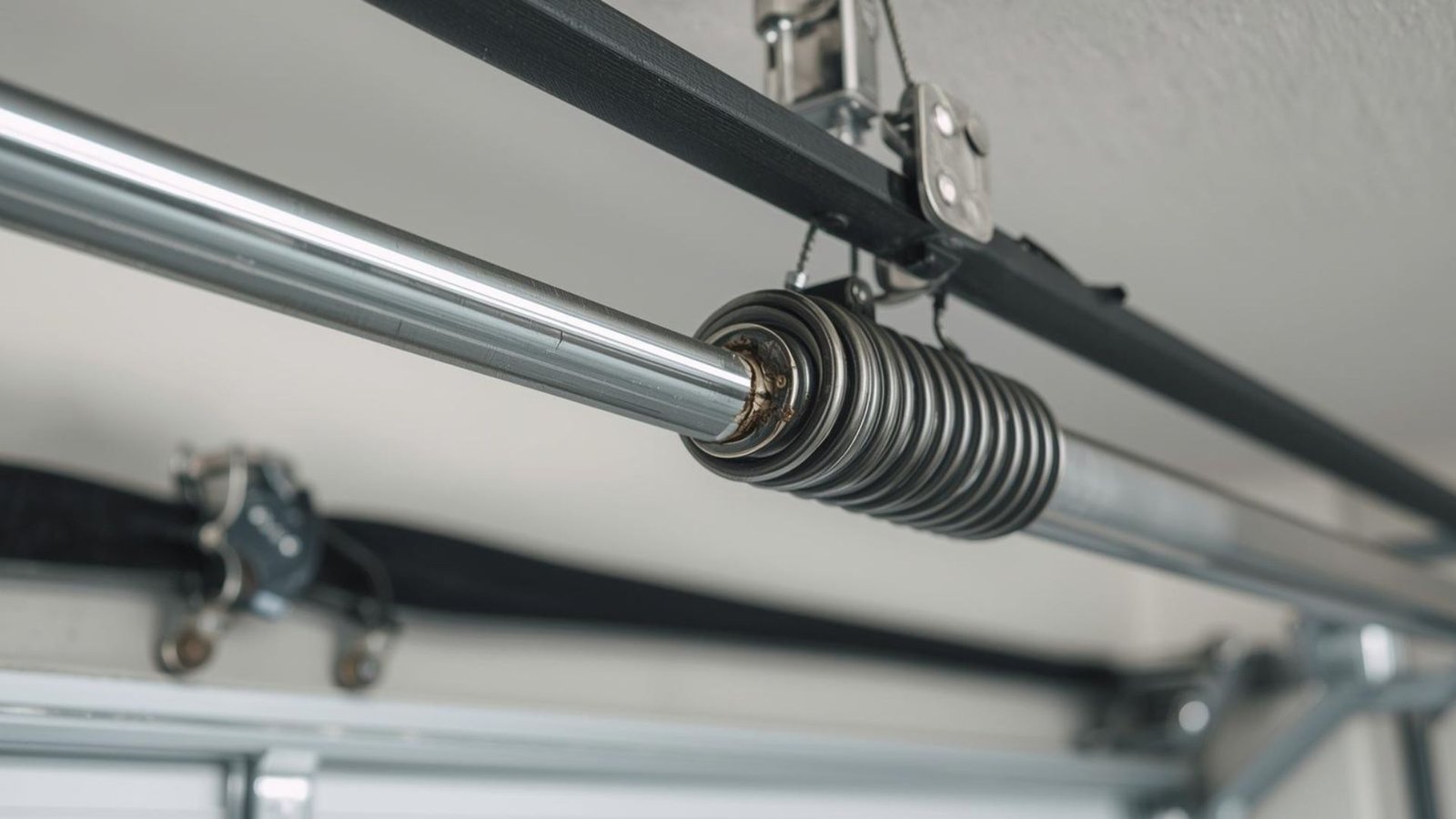
How Garage Door Springs Work: Understanding the Spring System
Garage doors might seem simple, but they rely on a carefully balanced spring system. This system is responsible for offsetting the weight of the door, allowing it to open and close smoothly and safely.
There are two main types of springs used in residential garage doors:
Torsion Springs
- Mounted above the garage door opening
- Use torque (twisting force) to lift the door
- Generally last longer and are more durable than extension springs
Extension Springs
- Mounted on each side of the door, parallel to the tracks
- Rely on expansion and contraction to assist door movement
- Typically used on lighter or older garage doors
Both systems require tension on the spring to hold the heavy door in place. When that spring suddenly snaps, the door may become unusable or, worse, could come crashing down, creating a safety hazard and possible damage to your car or belongings.
Wear and Tear: The Most Common Cause of Garage Door Spring Failure
The most common cause of broken garage door springs is simple wear and tear from everyday use.
Every time you open and close the door, you complete one cycle. Typically, springs are rated for around 10,000 cycles. If you use the garage multiple times a day (for example, 4 cycles daily), your springs may only last around 7 years or less.
Over time, the constant expanding and contracting reduce the strength and flexibility of the coil, making it prone to breaking.
Signs of wear include:
- A dragging or jerky garage door movement
- Gaps in the spring coil
- High-pitched squealing or metal-on-metal noise
- Uneven or imbalanced door opening
Rust and Corrosion: Enemies of Metal Springs
Rust is a common issue in League City due to the coastal humidity. It weakens steel springs by causing the coil to deteriorate or seize.
When rust sets in, it adds friction to each cycle, accelerating wear and reducing the effective lifespan of the spring.
Ways to reduce rust and corrosion:
- Wipe down springs with a clean cloth every few months
- Lubricate with white lithium grease or a silicone-based lubricant
- Check for corrosion during seasonal maintenance
Keeping your garage door’s springs rust-free can help prevent early failure and keep the entire door system operating smoothly.
Improper Maintenance and Lack of Lubrication
Lubricants reduce friction and allow springs to move freely. Without proper lubrication, your spring system may not function smoothly, causing uneven tension on the coil and premature failure.
Use a white lithium grease or silicone spray approximately every 6 months. Be sure to lubricate the roller, hinges, and bearing plates, especially if you hear squeaking or grinding sounds.
Routine maintenance can greatly increase your garage door spring’s lifespan and reduce unexpected breakdowns.
Using the Wrong Spring for Your Door’s Weight and Size
Another common cause of spring break is using the wrong spring for the size and weight of the door. A spring that’s too light won’t support a heavy door properly, while one that’s too strong may overcompensate and stress other parts of the garage door opener system.
Keep in mind:
- Double-door setups often require two springs
- Heavy doors need springs designed for higher tension
- Extension springs and torsion springs are NOT interchangeable
When installing garage door springs, always ensure compatibility with the weight of the door and the type of opener used.
Poor Quality Springs or Old Springs Without Timely Replacement
Not all garage door springs are created equal. Cheap, low-grade metal springs are prone to breaking more quickly, especially with frequent use.
An old spring that’s been reused or hasn’t been inspected in years could be due for failure. It’s best to replace the springs at least once per decade or sooner if you’re using the garage door regularly.
Working with a trustworthy garage door company ensures higher-quality parts with better warranties and longer-lasting service.
Sudden Temperature Swings and Environmental Stress
League City weather can be unpredictable. Sudden cold snaps or high heat can impact the metal in your spring system, causing the material to expand and contract rapidly.
These expansions and contractions can put stress on the coil and tension settings, increasing the risk of a spring break. Additionally, high humidity causes rust to set in faster.
Keeping your garage insulated and ventilated helps stabilize the temperature and reduce exposure to damaging environmental factors.
Issues With Garage Door Cables and Other Components
If the cable attached to your door becomes loose or misaligned, it may shift the tension unevenly across the spring system. This imbalance can put one spring under heavier stress, causing premature failure.
Other components that can contribute to spring damage include:
- Misaligned tracks
- Broken spring pulleys
- Worn-out rollers
- Improperly balanced doors
Your electric garage door opener or manual system may be straining unnecessarily if any of these components are malfunctioning.
When a Spring Breaks: What Can Happen?
Garage door spring failure usually involves a loud bang followed by a door that won’t open or close. In some cases, the door may get stuck mid-cycle or come crashing down rapidly, posing a serious injury risk.
If you try to lift a garage door manually after a spring failure, you may find that it’s nearly impossible due to the weight of the door. The opener motor alone is not strong enough to safely lift the door without spring assistance.
Remember: a relaxed spring or broken spring can be dangerous to handle without the right tools and experience.
To safely repair a broken spring or inspect your spring system, we strongly recommend calling an overhead door company that specializes in garage door repair services.
How Long Do Garage Door Springs Last?
Most garage door springs last between 7 to 10 years, depending on:
- How frequently do you use the garage
- The quality of the metal and coil design
- Whether they’ve been regularly serviced
- If they’ve been exposed to rust, corrosion, or extreme temperatures
Monitoring the springs before they break can help you avoid unexpected failures and costly repairs.
Can You Repair a Broken Garage Door Spring Yourself?
While some DIY enthusiasts may consider handling a broken garage door spring, it’s a risky job.
Springs are under intense tension, and removing or replacing them without the right tools can cause serious injuries.
To learn more about local, professional help, explore our trusted garage door repair services.
Final Thoughts: Preventing Spring Failure Starts With Routine Care
Garage door springs break for a variety of reasons – from wear and tear to corrosion and maintenance neglect. Understanding the common causes of broken springs can help prevent sudden failures and prolong equipment lifespan.
Here’s what you can do:
- Lubricate all moving parts every 6 months with white lithium grease
- Watch for signs of wear or imbalance
- Replace worn parts like cables and rollers before they cause damage
- Get your garage evaluated by a professional door company annually
- Don’t ignore sounds or changes in how your garage door operates
At Level Up Garage Door, we’re here to help prevent problems before they cause a broken garage door. Whether you need spring replacement, service and repair, or help with a new door installation, we’re your local experts.
If you’ve got a garage door that isn’t acting right, don’t wait for the spring to suddenly snap.
Reach out today to schedule an inspection or check the garage door for hidden problems with a trusted technician.
Let’s keep your garage door operating smoothly, safely, and longer, because the best way to avoid a spring break is to know what causes them to break in the first place.