
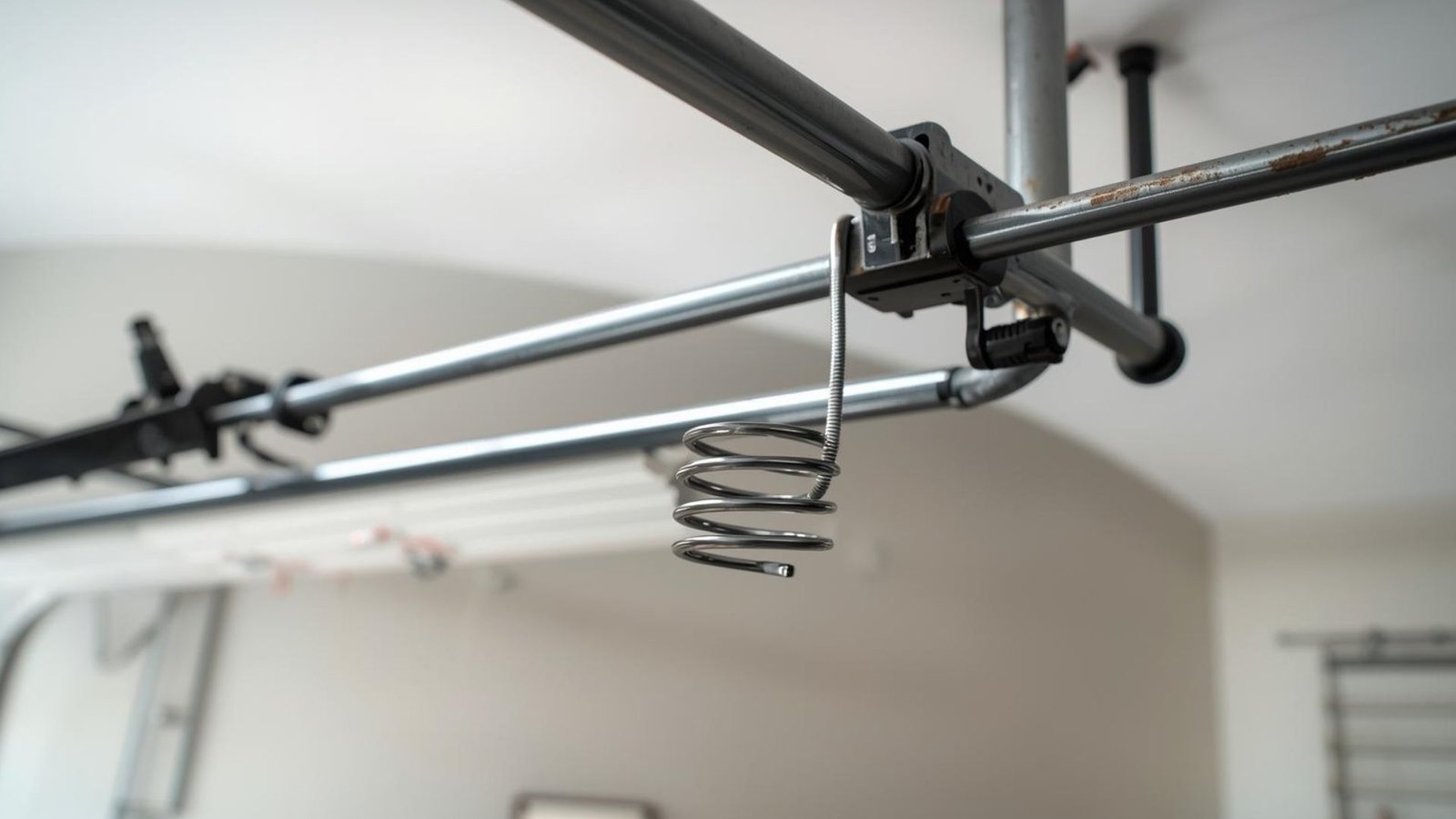

How Long Do Garage Door Springs Last? Discover Lifespan & Replacement Tips
If you’re wondering how long your garage door springs last, chances are you’re already dealing with strange noises, uneven movement, or even a door that won’t budge. You’re not alone.
Springs are small but mighty parts of your garage door system. When they’re worn out, the whole setup can come to a halt. Understanding the lifespan of a garage door spring helps catch issues early and avoid unexpected breakdowns.
Let’s break it down in a way that makes sense, whether you’re a DIY enthusiast or someone just trying to figure out what’s wrong with your garage door in League City, Texas.
How Garage Door Springs Work and Why They Matter
Garage door springs do the heavy lifting, literally. When you open and close your garage door, it’s not just the garage door opener doing the job. Springs provide the counterweight and tension to lift and lower the door smoothly, handling the weight of the door through stored tension (physics).
There are two main types of garage door springs:
- Torsion Springs: Mount above the garage door and use torque (mechanics) to lift. They’re more durable and offer smoother movement.
- Extension Springs: Stretch out on the sides of the door. They wear out faster and are common in older or lighter doors.
What Happens As Springs Wear Out?
Springs lose their strength over time due to metal fatigue (material), corrosion, and regular wear and tear. When they fail, it can cause serious issues, such as:
- The door may move unevenly or make a loud noise
- The door feels too heavy to lift
- A broken spring may cause the door to slam shut
- You might hear a loud bang from one spring breaking
This wear happens regardless of whether you use a garage door opener or lift the door manually.
The Lifespan of Garage Door Springs Explained
How long do garage door springs last?
Garage door springs typically last about 7 to 12 years, depending on use and environment. But in terms of cycles, one open and close equals one cycle. Most springs are rated:
- Torsion spring: ~15,000 to 20,000 cycles
- Extension springs: ~10,000 cycles
So how long your springs last heavily depends on how often you use your garage. If you’re using it as the main entry point, those cycles add up fast.
Let’s look at it another way:
Usage Per Day | Estimated Lifespan (in Years)
|
|---|---|
2 Cycles | 14 – 20 Years |
4 Cycles | 7 – 10 Years |
8+ Cycles | 3 – 5 Years |
If you’re in League City and use your garage frequently in heat and humidity, rust, metal corrosion, and humidity can wear down springs faster than expected.
Why spring type matters
The types of garage door springs affect lifespan:
- Torsion springs last longer than extension springs
- Oil-tempered springs tend to outlast other metal finishes
- High-tension springs are under more force and prone to faster fatigue
In short, long garage door springs last significantly longer than extension springs, making them a better long-term investment.
Signs Your Garage Door Springs Are Wearing Out
Before the full failure of a broken torsion spring, your system usually gives a warning. Watch for these signs that indicate your springs are wearing:
- Door is heavy or difficult to lift
- Door opens only partway, then reverses
- Loud squeaks or bangs when operating
- Visible gaps or deformation in the springs
- Door operates unevenly or shakes while moving
- The door may not stay open on its own
These are not issues to ignore. A failing spring under high tension can lead to injury or garage door system failure, especially if you’re using a garage door opener that compensates for the spring’s weakness.
When Should You Replace Garage Door Springs?
How long do garage door springs last before they need replacing?
Even if your door still works, springs typically last a certain number of cycles. Once that’s passed, they can break and need immediate attention. If one spring goes bad, the other isn’t far behind.
Your best move? Replace the springs both at once to avoid uneven wear.
Here’s what to consider:
- Worn-out garage door springs should never be ignored
- Don’t attempt spring replacement on your own, the springs are under high tension
- If you’re seeing early signs, replacing springs may prevent bigger failures
Trust a local garage door technician for properly calibrated and safely installed new garage door springs.
Can You Extend the Lifespan of Garage Door Springs?
Yes, while no spring lasts forever, you can extend the lifespan of garage components with care:
- Lubrication: Apply spring-safe lubricant every 3-6 months to slow down corrosion
- Inspection: Regularly check for rust, friction, or misalignment
- Balance checks: If the door is too heavy or uneven, call for an adjustment
- Use less frequently: If possible, reduce the number of times you open and close your garage
- Replace weak springs early before extra force wears others down
These steps, although simple, can add years to the life of your garage door and help your springs last longer.
DIY or Pro: What’s the Right Way to Handle Spring Replacement?
You might be tempted to handle garage door spring replacement yourself. However, springs are under high tension; this isn’t just a “tighten a screw” job. Improper handling can result in serious injury, damage, or worse.
What makes professional garage door repair services better?
- Proper tools and calibration
- Safe removal of old springs
- Correct balancing of the door weight
- Warranty on parts and labor
Don’t take the risk. If you’re dealing with worn-out springs, inconsistent motion, or a broken garage door spring, it’s time to call the pros.
Looking for help in League City? Our trusted technicians are ready to provide expert service when your door operates smoothly again.
Learn How Long Garage Door Springs Last with Confidence
Understanding the lifespan of a garage door spring isn’t about just knowing numbers; it’s about recognizing signs, taking care of your equipment, and knowing when it’s time to bring in reinforcements.
So if you’re unsure how long garage door springs last, remember:
- Springs typically last from 7-12 years based on use
- Torsion springs are more durable than extension springs
- Spring replacement is dangerous, so leave it to a pro
- Small steps like lubrication and inspection can extend the lifespan
- If springs fail, always replace both springs at the same time
If you’re dealing with weak springs, a pair of springs nearing their end, or a spring life that’s expired, don’t wait until you’re stuck with a heavy garage and a loud surprise.
Need help right now? Whether it’s a garage door torsion issue or a full garage door service, contact your local experts at Level Up Garage Door for reliable, safe, and friendly service.