
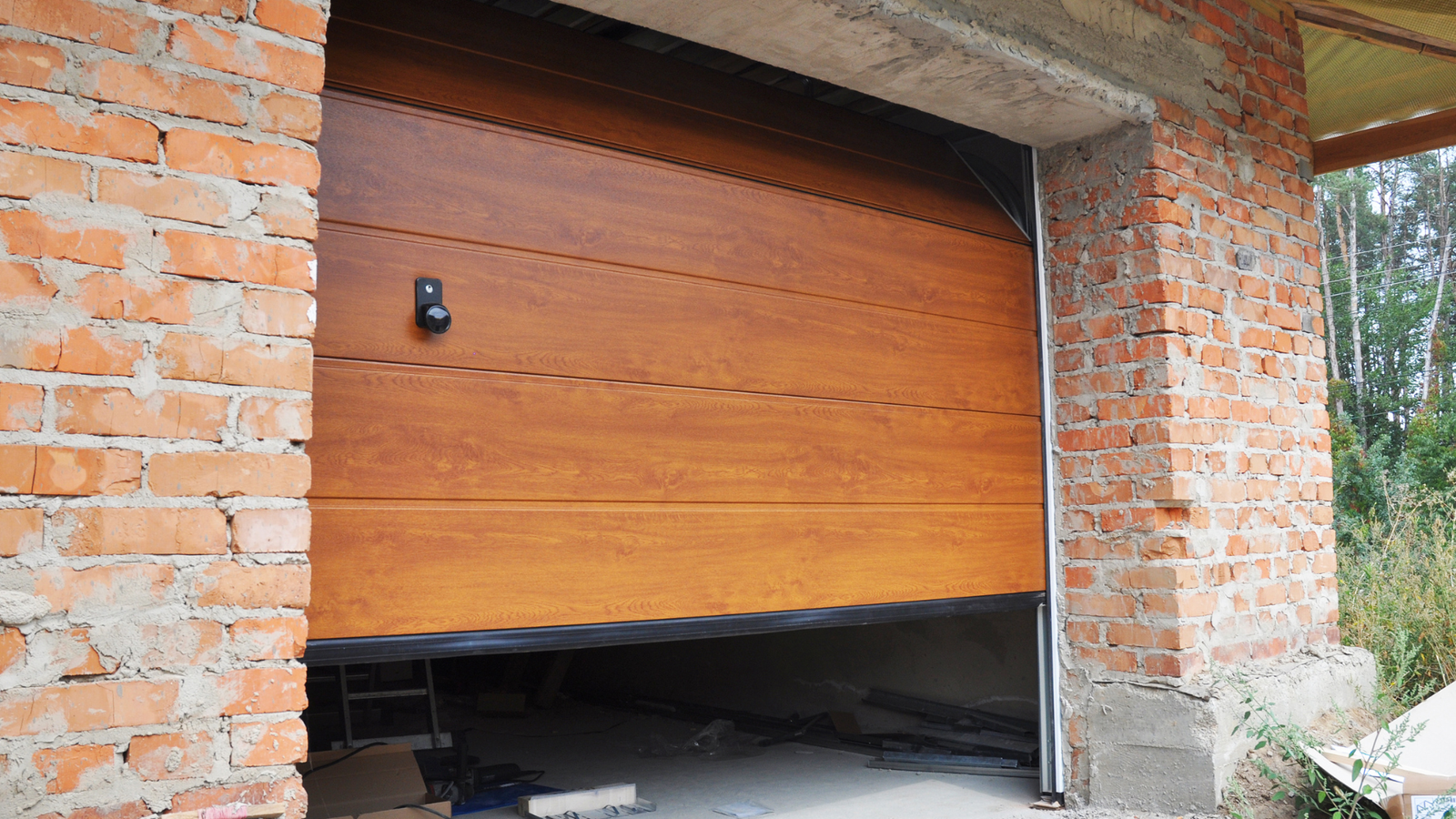

How to Fix Gaps Under a Garage Door and Keep Pests and Weather Out Fast
If you are staring at daylight under your garage door and wondering how on earth that gap showed up, you are not alone. Many homeowners in League City, Texas deal with this every year when cold air, melted snow from car tires, rain, and pests start sneaking in.
The good news: in most cases, you can fix a gap under a garage door with simple tools, a bit of patience, and the right materials. In tougher cases, a local garage door specialist can step in and save you a lot of frustration.
Below is a clear, step-by-step guide to help you understand what is going wrong and how to fix a gap safely and effectively.
Why That Garage Door Gap Shows Up in the First Place
Before you try to fix your garage door, you need to understand what is causing the opening between the garage door and the floor.
Typical causes include:
- Uneven concrete or uneven floor – Concrete settles, cracks, or gets a fracture over time. An uneven concrete slab or garage floor can leave high spots and low spots the bottom seal cannot reach.
- Worn or missing bottom weatherstripping – The flexible rubber or vinyl gasket at the bottom of a garage door ages, flattens, or tears. When the bottom weatherstrip loses shape, a door gap opens up.
- Door not adjusted correctly – If your garage door opener or the automatic opener travel limits are off, the door closes too high and leaves a gap at the bottom.
- Warped wood or bent metal – Wood doors can swell or warp in cold temperatures and humidity. Metal sections can get bent. Both can create a garage door seal gap that is hard to close.
- Drainage issues and outward slope – A driveway or garage floor with an outward slope for drainage can sometimes leave space along the bottom of the door, especially if the concrete floor or tile has shifted.
Knowing the size of the gap and the cause is the key to choosing the right fix.
Step 1: Inspect the Bottom of the Garage Door and the Concrete
Start with a quick but careful inspection.
Look from the inside in daylight
Close the door and turn off the lights in the garage. Anywhere you see light, you have a door gap that can let in cold winds, rain, an insect, or a mouse.
Check the bottom of your garage door
Look at the seal on the bottom:
- Is the rubber cracked or brittle?
- Is the u-shaped channel empty in spots?
- Is part of the bottom seal missing from the bottom of a garage door?
Examine the concrete floor and slab
Check for:
- Uneven concrete or high spots
- A fracture (geology style crack) or multiple cracks
- Any epoxy patches, roll-out mat, or flooring that changed the level
Test your garage door opener
Close the door and watch carefully:
- Does the bottom of the door meet the floor firmly?
- Does the safety reversal system or protector system make it pop back up?
- Do you hear the opener straining?
If you just bought this door recently or changed your garage door model, the adjustment settings may not be perfect for your garage.
Step 2: Replace Worn Garage Door Seal & Bottom Weatherstripping
If the concrete looks mostly straight and the gap is small and even, replacing the garage door seal is often the fastest fix.
Choosing the right rubber seal for the bottom of the door
Look at the existing bottom weatherstripping and track:
- Most modern doors use a u-shaped rubber seal that slides into metal channels.
- Some older wood doors have nailed-on weatherstrip or gasket.
- Check whether your seal is natural rubber or vinyl and match it when you buy new.
You will also see products labeled as garage door seal strips, weatherstrip, or weatherseal. Any flexible rubber seal that fits your channel and matches your garage door model should work.
How to replace the bottom seal (DIY friendly)
- Disconnect the garage door opener – Pull the manual release cord so the door is not connected to the automatic opener.
- Raise the door and secure it – Lift the overhead door by hand to a comfortable working height and clamp it open so it cannot move.
- Remove the old bottom weatherstrip – Pull it out of the track from one end. You may need a bit of lubricant to loosen it.
- Clean the channel – Remove dirt, rust, and old adhesive. The cleaner it is, the better the new seal will sit.
- Slide in the new bottom seal – Feed the new gasket into the metal channel and pull it through. Leave a small taper at each end to reduce stress on the rubber.
- Trim the excess and test – Close the door and see if the gap is gone. If the size of the gap is smaller but still present in some spots, keep reading for more options.
Step 3: Use a Garage Door Threshold Seal for Small Gaps
If the concrete is slightly low, a garage door threshold or threshold seal can help fix a gap without changing the door.
A threshold is a strip that glues to the concrete floor where the door meets the slab. When the door closes, the bottom seal presses against the raised threshold.
Good when:
- The gap is under about 1 inch.
- The floor is mostly straight but just a bit low.
- You want extra protection from melted snow, rain, or cold air.
Basic steps:
- Clean the concrete floor thoroughly.
- Dry-fit the threshold to be sure the height is right.
- Glue it down with the adhesive that comes with it.
- Let it cure before you let the door sit on it.
Thresholds also help keep out a rodent or pest like a mouse or insect that might squeeze through small spaces.
Step 4: Handling an Uneven Floor or Larger Gaps
If the floor is noticeably uneven or you have high spots, the fix gets a bit more involved.
Option A: Fill small voids with flexible material
For narrow, irregular gaps:
- Backer rod and weatherstrips – You can push a foam backer rod into a crack, then seal around it to support the bottom seal.
- Pipe insulation or pool noodles – In a pinch, some DIY homeowners tuck pipe insulation or even pool noodles behind a worn bottom seal to thicken it. This is more of a temporary DIY trick than a permanent solution.
These can help reduce airflow and light, but they are not a substitute for a proper rubber seal and weatherstripping.
Option B: Improve the concrete or flooring
For more serious uneven concrete:
- Grind down very high spots where the door hits first.
- Use an appropriate concrete repair product or epoxy to fill low spots.
- Consider a gentle outward slope near the driveway for drainage if water is pooling at the door.
Because the slab and concrete work affect structure and water flow, this is often where a professional contractor or garage door specialist is worth calling, especially if you see large cracks or structural shifts.
Step 5: Adjust the Garage Door Opener Safely
Sometimes the fix gap solution is as simple as adjusting how far the door travels.
On most openers, you will find:
- Travel or adjustment settings that control how far the door closes.
- Force settings that work with the safety reversal system and protector system so the door will reverse if it hits an obstruction.
If the door gap is present because the door stops too high:
- Follow the opener manual to slightly increase the down travel.
- Test the door closes completely against the floor.
- Check that the safety features still work by placing a 2×4 under the door to ensure it reverses correctly.
Never crank the force up so high that the door cannot reverse properly. Safety always comes first.
When You Might Need a New Garage Door or Expert Help
Some situations are hard to solve with simple weatherstrip changes or thresholds:
- The bottom of the door is badly rotted or bent.
- There is a large slope or fractured slab at the entrance.
- The overhead door will not stay balanced without the opener.
- You are seeing repeated pest or rodent problems despite sealing attempts.
- Your electricity bill is climbing from heat loss, even after upgrades.
In these cases, a new garage door or expert-level adjustment might actually save money over time, especially once you factor in insulation, comfort in the fall season and winter, and protection from cold temperatures and cold winds.
If you are in League City, Texas and need more than a quick DIY fix, consider professional garage door repair services to ensure your garage is sealed, safe, and operating smoothly.
Simple Tips to Keep That Gap From Coming Back
A little regular maintenance can prevent most gap problems:
- Inspect the bottom seal and weatherstripping at least once a year.
- Clean dirt and snow buildup from the seal on the bottom and threshold.
- Watch for new cracks in the concrete near the garage door and the floor.
- Keep the garage door opener and automatic opener lubricated and tuned.
- Make sure drainage around the driveway moves rain away from the door, not toward it.
Over time, this will reduce moisture, protect your flooring, help with insulation, and keep your electricity bill more predictable.
Conclusion: Fix a Gap Under Your Garage Door Before It Becomes a Bigger Problem
Even a small gap under a garage door can invite in cold air, melted snow, rain, and every kind of pest you do not want in your garage. The great thing is, in many cases you can fix your garage door with:
- A fresh bottom seal or bottom weatherstrip
- A well-installed threshold seal
- Minor adjustments to your garage door opener
- Targeted touch-ups to uneven concrete
If your gap is stubborn, the floor is severely uneven, or you just are not comfortable tweaking the door yourself, reach out to a trusted garage door specialist in League City, Texas. Acting now will protect your space, your belongings, and your peace of mind for seasons to come.