
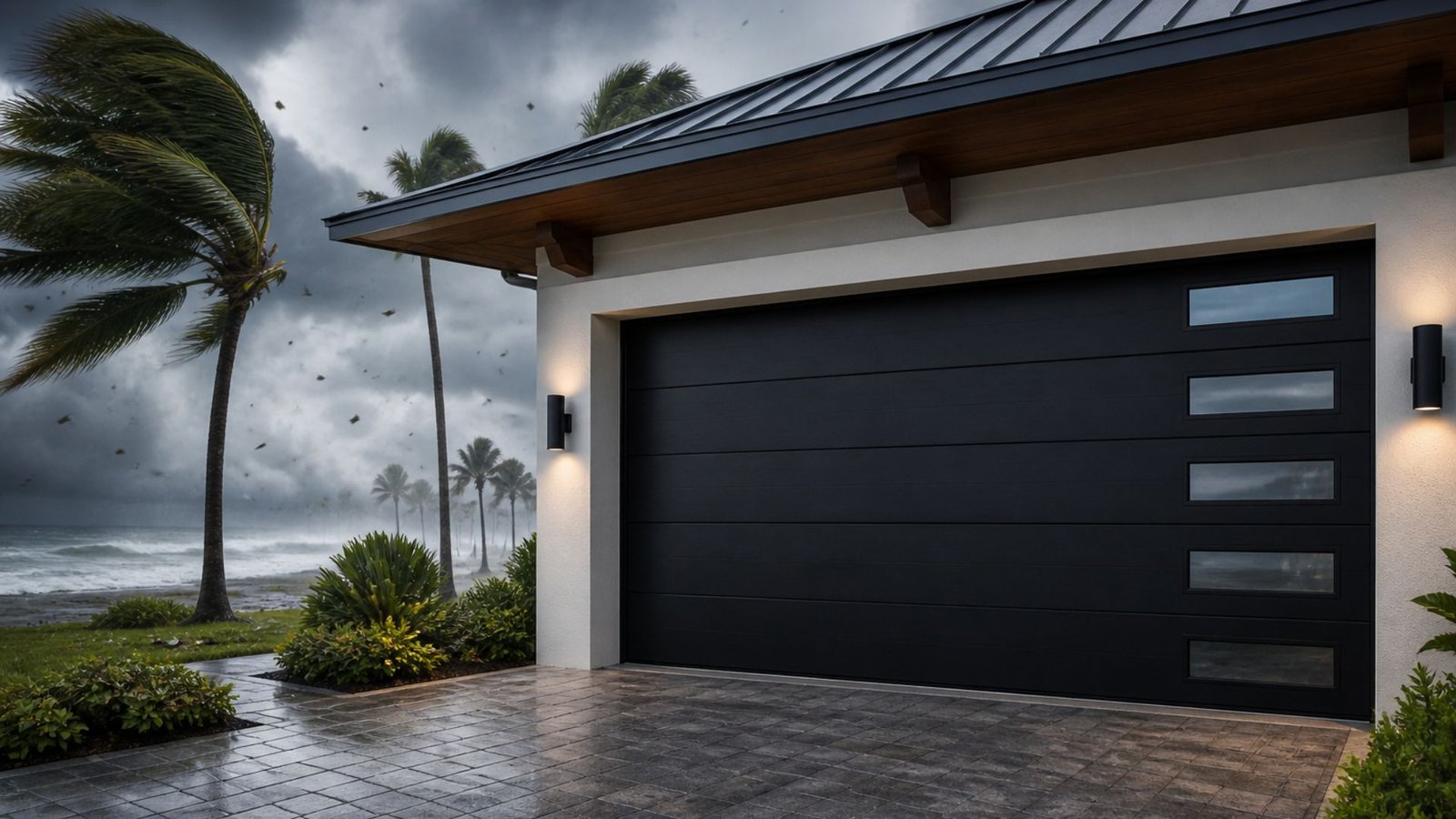

How to Choose the Right Wind-Rated Garage Door for Your Home
If you live in League City, Texas, you already know what Gulf Coast weather is capable of. High- wind events, tropical storms, and the occasional hurricane are not abstract threats here. They are seasonal realities. And when severe weather rolls in, your garage door is one of the largest and most vulnerable openings in your home.
Choosing a wind-rated garage door is not just a smart upgrade. In many cases, it is required by local building codes and may affect your homeowners’ insurance policy. Here is what you need to know before making a decision.
Why Wind Load Ratings Matter for Your Garage Door
A standard garage door is not designed to withstand the wind pressure that comes with a serious storm. When high wind forces hit an unsupported door, the result can be catastrophic, including door failure, structural damage, and safety hazards for everyone inside.
A wind load-rated garage door is specifically designed to resist both positive and negative design pressures caused by high winds. Think of it this way: wind pushes in from one side and pulls from the other. A properly rated door system handles both forces without buckling or collapsing.
What Is Design Pressure?
Design pressure refers to the specific wind load a door is engineered to withstand. It is measured in pounds per square foot and accounts for factors like wind speed, door size, mean roof height, and your property’s wind zone. Exposure categories, which describe how open or sheltered your location is, also play a role in determining the required design wind pressures for your home.
The International Residential Code and the International Building Code both outline minimum wind load requirements for structures, including garage doors. Your local building official or the building department with jurisdiction in your area is the sole and final authority on the wind load your door must meet.
How to Know What Your Home Needs
Before you start shopping for wind load garage doors, you need to understand what is required where you live.
Local building codes may require a permit for installing a new garage door, and the required positive and negative design pressures are determined by your specific location and exposure. The building department is responsible for ensuring your door meets local code.
A good rule of thumb: contact your local building department early in the process. Your homeowners’ insurance policy may also require your garage door to meet local building standards, especially in hurricane-prone areas. In fact, the Insurance Institute for Business and Home Safety has published guidance showing that garage door failure is one of the most common causes of storm damage during extreme weather events.
Windborne Debris Regions and Impact-Resistant Options
Homes in hurricane-prone areas like League City often fall within windborne debris regions. In these zones, doors may be required to be impact-resistant or designed to withstand flying debris. An impact-resistant door is tested and approved in accordance with industry standards and can mean the difference between minor inconvenience and major structural loss after a
Category 3 hurricane or stronger wind event.
Impact-resistant garage doors are designed with specific components, including reinforced panels, heavy-duty rollers and reinforcing struts, and stronger hinges, to maintain their integrity under extreme wind pressure that could otherwise tear a standard door from its tracks.
Reading the Label and Choosing the Right Door
When comparing wind load options, look for the garage door label showing its rated design wind velocity and the design wind pressures it is approved to handle. Doors are rated based on static air pressure testing, which simulates what the door assembly experiences during a real storm.
Ask your installer about the door’s wind-load rating and whether the door can meet the specific wind loads required by your local building codes. You want a door that will meet or exceed local building code requirements – not just barely pass.
A wind-resistant garage door is also a long-term investment in energy conservation and building insulation. Many high-wind-rated models include thermal insulation that improves your home’s energy efficiency year-round, reducing strain on your heating, ventilation, and air conditioning system.
What to Expect During Installation
Choosing a wind load-rated door is only half the battle; proper installation is just as critical for code compliance. A poorly installed door can fail even if the door itself is rated for the required wind resistance. That is why working with experienced professionals matters.
Level Up Garage Door Pros offers professional garage door installation services backed by licensed technicians who understand local building codes and wind load requirements. Whether you need expert garage door repair solutions or a full replacement, they provide superior craftsmanship and honest guidance at every step. Homeowners can also count on trusted garage door services in Friendswood and a reliable garage door company in Webster for the same quality storm protection and service.
Conclusion
Choosing a wind-rated garage door is one of the most important decisions you can make to protect your family and property in a storm-prone area. Start by checking your local building code requirements, understanding your design pressure needs, and investing in a door system built to meet local code requirements.
When you are ready to move forward, Level Up Garage Door Pros is here to help you choose and install the right door with confidence.