
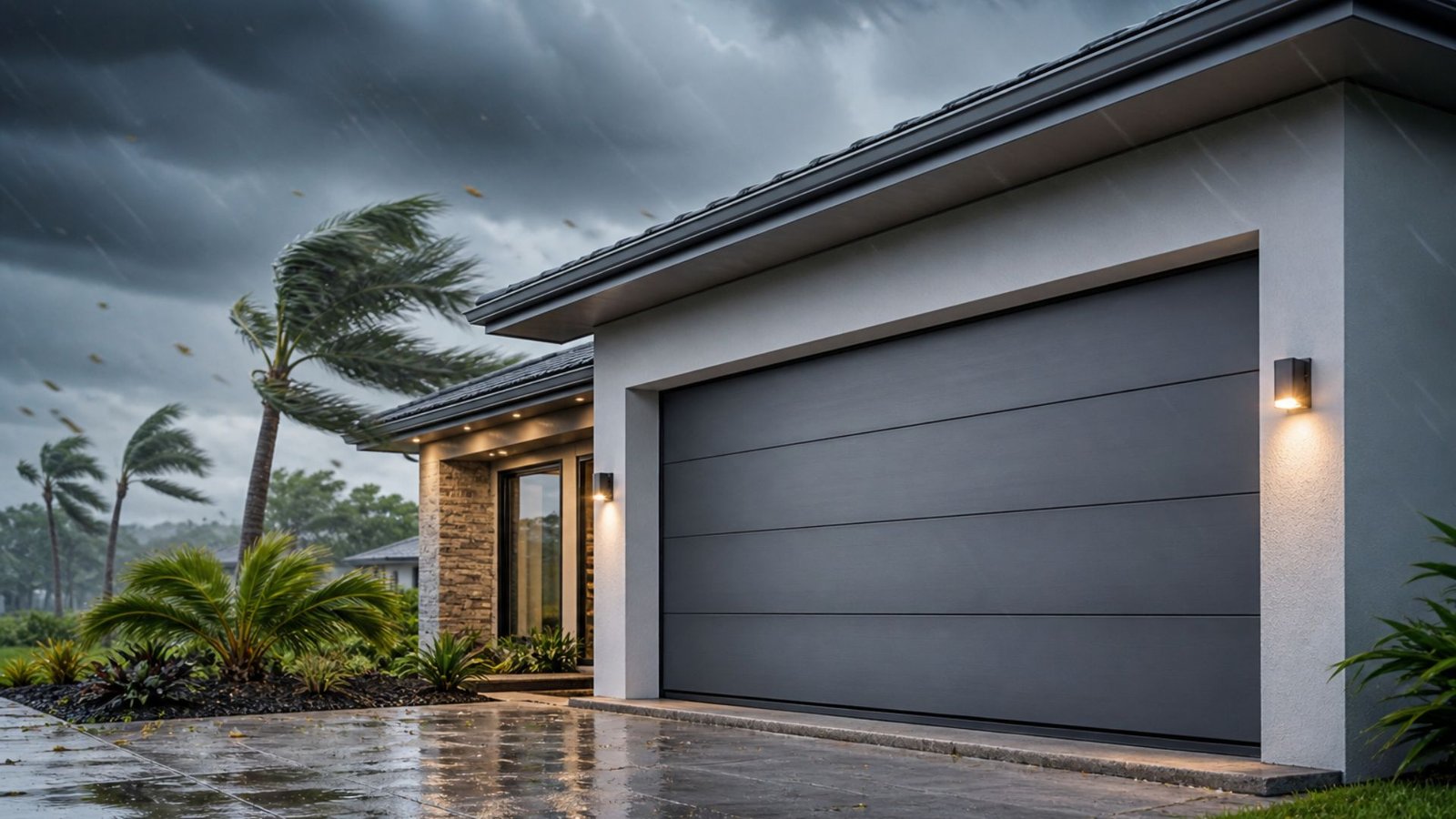

Why Impact Rated Garage Doors Are a Smart Investment for Storm Protection
If you’ve ever watched a storm roll in and wondered whether your garage door could actually hold up, you’re not alone. For homeowners in League City, Texas, that question isn’t just hypothetical. Living in a hurricane-prone region means your home faces real threats from high winds, windborne debris, and intense wind pressure every storm season. And here’s something most people overlook: your garage door is one of the largest and most vulnerable openings in your home.
Getting it wrong isn’t just inconvenient. It can lead to catastrophic damage and an uncontrolled buildup of internal pressure that compromises your roof and structural integrity.
What Makes a Garage Door “Impact Rated”?
An impact-rated garage door is specifically engineered to withstand high wind forces without failing. These are not standard doors with a fresh coat of paint. They’re reinforced garage doors built with heavier gauge materials, additional horizontal and vertical bracing, and hardware designed to handle serious wind events.
Think of them the way you’d think about impact windows. Just as impact windows are designed to resist wind-borne debris and pressure changes, an impact-resistant garage door plays a parallel role in protecting your home during a storm.
The term “rated” refers to tested performance. Manufacturers put these doors through rigorous testing to confirm they can handle a specific wind load, measured in pounds per square foot, at a defined wind speed.
Understanding Wind Load and Why It Matters
Wind load is essentially the force that wind exerts on a surface. For a two-car garage door, that surface area is significant, which means wind forces can be enormous during a tropical cyclone or high-wind event.
Wind-load-rated garage doors are rated based on exposure categories and geographic regions.
You’ll often hear terms like Exposure B and Exposure C. Exposure B refers to urban and suburban areas with numerous closely spaced obstructions, like houses and trees. Exposure C refers to open terrain with scattered obstructions, such as flat open land near the coast.
League City sits in a unique transition zone where wind load requirements shift based on your specific location and proximity to open terrain. Local building code requirements here are shaped by the realities of Gulf Coast weather, specifically the mandates set by the Texas Department of Insurance (TDI) for catastrophe areas.
While we follow Texas-specific standards, the Florida Building Commission and Miami-Dade County have long set the national benchmark for wind load and impact requirements. Their rigorous testing protocols, designed for High Velocity Hurricane Zones (HVHZ), have heavily influenced the building codes we use across the Texas Gulf Coast today. In fact, Miami-Dade’s “large missile impact” testing is still cited as the gold standard nationally; when we select materials for local homes, we often look for that same level of certification to ensure maximum protection against the unpredictable nature of coastal storms.
How Wind Speed Ratings Translate to Real Protection
Wind rating systems are tied to the Saffir-Simpson scale, which classifies hurricanes from Category 1 through Category 5 based on sustained wind speed. A Category 3 hurricane brings sustained winds of 111 mph or higher, enough to cause serious storm damage to homes with standard exterior doors and garage doors.
The Federal Alliance for Safe Homes has documented that garage doors are among the first components to fail during hurricane winds. When a garage door fails, it allows wind to enter the structure, creating pressure that can blow off the roof or collapse supporting walls.
Wind load-rated garage doors are designed to withstand these forces. Depending on door size and construction, a wind-rated garage door may be certified to handle wind speeds exceeding 130 mph or even higher in some configurations. Some doors use a 2×4 or heavier steel reinforcement system in each panel to meet specific wind load thresholds.
Why League City Homeowners Should Take This Seriously
The National Oceanic and Atmospheric Administration (NOAA) tracks storm patterns, and the Gulf Coast sees consistent tropical cyclone activity. Hurricane Wilma is one historical example of the kind of wind event that exposed just how vulnerable garage openings can be. Hurricanes that make landfall along this stretch of coastline don’t lose strength immediately, and inland areas like League City still experience sustained high-wind conditions and gusts capable of wind damage.
During hurricane season, the question isn’t whether storms will come. It’s whether your home is ready when they do.
A hurricane-rated garage door gives you a meaningful level of protection that a standard door simply cannot provide. Beyond safety, it may also lower your home insurance premiums. Many insurers recognize the reduced risk associated with impact-resistant construction and adjust rates accordingly. It’s worth asking your provider about this.
What to Look for in a Hurricane-Rated Garage Door
Not every door marketed as “storm-ready” meets the same standard. Here’s what to look for:
- Wind exposure classification – Confirm whether the door meets Exposure C or Exposure B standards for your specific location.
- Tested wind speed rating – Look for doors certified for at least 130 mph, with documentation from an accredited testing lab.
- Miami-Dade approval – Products with Miami-Dade County approval have passed some of the most demanding wind resistance tests in the U.S.
- Panel construction – Doors built with reinforced steel, often using 2×4 framing within each panel, offer better structural performance.
- Hardware and track system – The door’s ability to protect your garage depends on the full system, not just the panel. Tracks, springs, and mounting hardware must all meet specific requirements.
Modern design has also made these doors far more attractive than the heavy, industrial-looking products of the past. Today’s wind-resistant garage doors come in aluminum, steel, and composite materials with aesthetic options that complement any home style. Building insulation is often integrated as well, adding energy efficiency on top of storm protection.
Getting the Right Door Installed the Right Way
A hurricane-proof door is only as effective as its installation. Improper fitting can compromise even a top-rated impact-resistant garage door and void manufacturer certifications. That’s why working with qualified professionals matters.
Level Up Garage Door provides professional garage door installation services for homeowners across League City, ensuring each door is fitted to local code and manufacturer specifications. If you already have questions about your current door’s condition, their team also offers reliable garage door repair services to address issues before hurricane season hits.
For those in surrounding communities, Level Up Garage Door also provides trusted garage door services in Friendswood and expert garage door services in Webster.
Conclusion
Investing in a wind-load-rated, impact-rated garage door is one of the smartest decisions a homeowner in League City can make for their home or business. It protects against hurricane winds, reduces the risk of structural failure, and can even lower your insurance costs.
The peace of mind that comes from knowing your garage doors are built to handle whatever storm season brings is genuinely worth it. Contact Level Up Garage Door to explore your options and get expert guidance on the right solution for your property.