
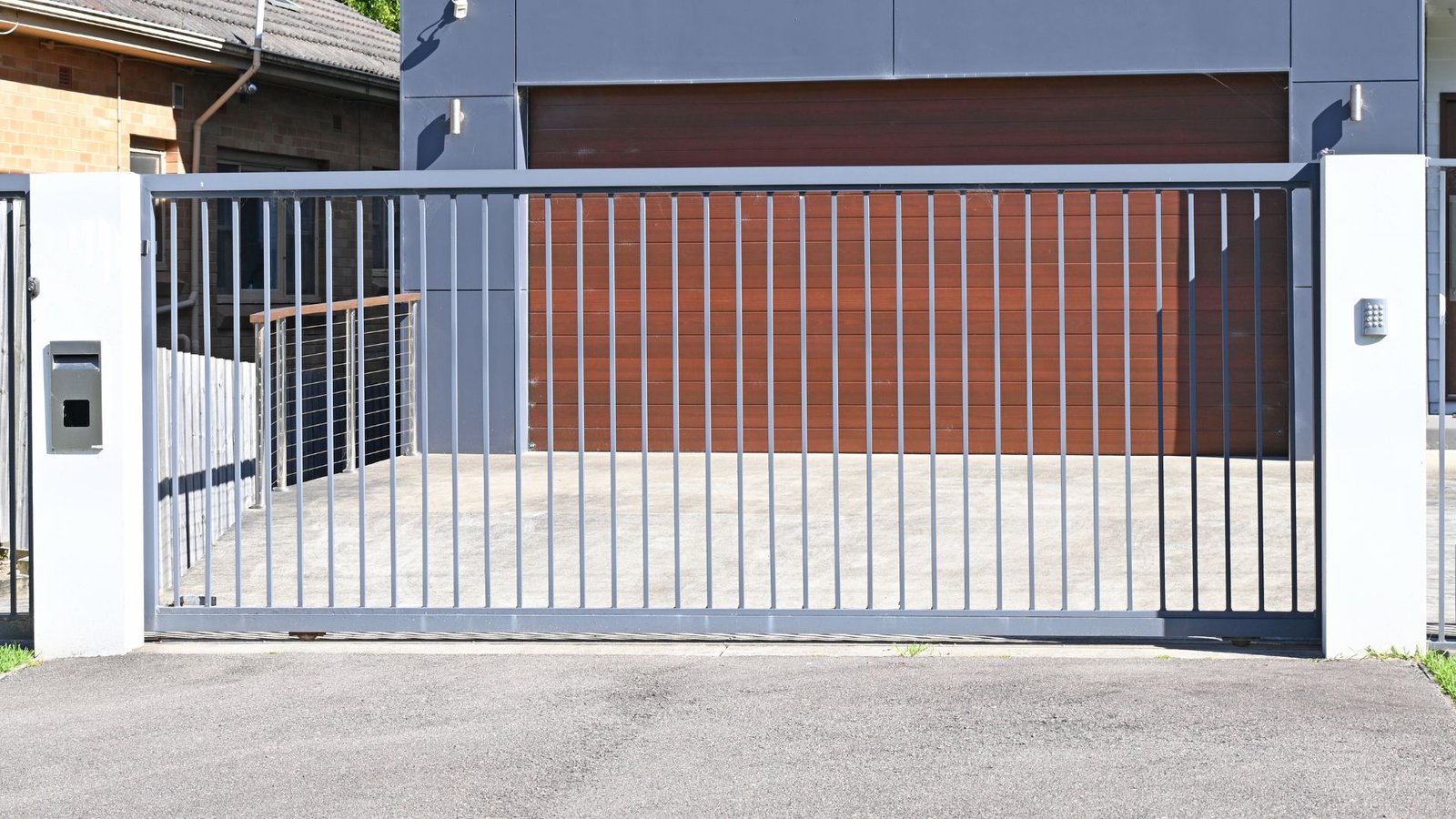

Automatic Gates Cost: What You'll Actually Pay and What Affects the Price
Thinking about adding an automatic gate to your driveway, but not sure what it’s going to cost you? You’re not alone. A lot of homeowners get a wide range of quotes and have no idea what’s reasonable – or what they’re actually paying for.
This guide breaks it all down in plain terms: the average costs, the factors that affect the final price, and what you need to think about before calling an installer.
What Is an Automatic Gate and Why Do People Install One?
An automatic gate is a motorized entry system that opens and closes the gate without you having to get out of your car. It runs on an electric motor – sometimes called a gate opener – and can be operated by a remote control, keypad, smartphone app, or sensor.
People install them for a mix of reasons. Added security is usually at the top of the list, especially for homeowners who want to secure their property without making it feel like a fortress. But curb appeal, privacy, and convenience are also big motivators. A quality gate at the front of your driveway just looks and feels intentional.
Average Costs for Automatic Gate Installation
Let’s get to the numbers. The cost of installing an automatic gate varies quite a bit depending on what you’re getting, but here are general ranges most homeowners can expect.
For a basic automatic driveway gate with a standard opener, you’re typically looking at somewhere between $1,500 and $4,000 installed. Mid-range setups with better materials and more customization options land between $4,000 and $8,000. High-end gate systems – think large double gates, wrought iron, or complex automation – can run $10,000 or more.
The overall cost depends on several variables, which we’ll walk through below.
Factors That Affect the Cost of Automatic Gates
Type of Gate Material
The type of gate you choose has a major impact on the price. Here’s a quick look at how different materials compare:
- Wood gates offer a natural, classic look and tend to be more affordable upfront, but they require more maintenance over time.
- Vinyl gate options are low-maintenance and budget-friendly, though they don’t carry the same visual weight as metal gates.
- Steel gates and iron gates are heavy-duty, durable, and long-lasting. Wrought iron in particular is a premium option favored for its aesthetics and durability.
- Aluminium gates are lightweight and rust-resistant, making them a practical middle-ground option.
Gate Type and Configuration
The gate type also plays a big role in what you’ll pay. Swing gates are among the most common and are typically less expensive to install than sliding gates. However, a swing gate requires enough space to open inward or outward, which isn’t always possible on every driveway.
Sliding gates are a better fit for properties with limited space or sloped driveways. They tend to cost more because of the track and drainage considerations involved. Lift gates and RV gates are specialty options that carry their own pricing structures depending on size and complexity.
Double gates – two panels that meet in the middle – generally cost more than single gates because they require more material and a more involved installation.
The Gate Opener and Automation Components
The opener itself is a significant part of your total cost. A basic automatic gate opener might run a few hundred dollars, while high-end systems with advanced automation features, video intercom, and multiple sensors can push costs much higher.
An automatic gate opener can be wired to your home’s power supply or run on a solar panel with a battery backup for use during power outages. Solar-powered setups cost more upfront but can save on energy costs over time and are a smart choice if your gate is far from your home or garage.
Additional components like a keypad, motion detector, or intercom system add to the gate installation cost but also add real value – especially if you want to manage visitors at the gate without walking outside.
Site Conditions and Installation Complexity
Where your driveway gate is being installed matters more than most people realize. A straightforward install on flat concrete is much easier than one involving a hillside, poor drainage, uneven terrain, or an existing fence that needs to be modified.
If your property needs a new concrete foundation for the gate posts, bollard anchoring, or regrading for track and drainage, those are additional costs. The more complex the site, the more labor is involved, and labor is never free.
Size of the Gate
Bigger gates cost more – both in materials and in the size of the opener needed to move them.
A wider driveway might require a heavier automatic gate system with a more powerful motor. RV gates and large estate-style entrances fall into a different price category altogether.
The Cost of Electric Gates vs. Standard Automated Gates
People often use these terms interchangeably, but there’s a small distinction worth noting. The cost of electric gates refers broadly to any gate with an electric motor. Automated gates are more of an umbrella term that includes full gate system packages with smart features, sensors, and app control.
The cost of electric gates on the simpler end can be quite reasonable. But once you start adding layers of automation, you’re buying into a more complex system that requires more installation time and potentially more maintenance down the road.
Is Installing an Automatic Gate Worth the Investment?
Short answer: yes, for most homeowners. Installing an automatic gate adds security and convenience, can boost curb appeal, and may positively affect property value during an appraisal.
That said, it’s not a do-it-yourself project for most people. Improper installation can damage the gate, create safety hazards, or void your warranty. Hiring a professional ensures reliable performance from day one.
Automatic gate solutions are not one-size-fits-all. The right setup for your property depends on your budget, your driveway layout, your gate design preferences, and how much automation you actually want in your day-to-day life.
Frequently Asked Questions
How much does a basic automatic driveway gate cost to install?
A basic automatic driveway gate typically starts around $1,500 and can go up to $4,000 depending on material, size, and opener type.
What is the cost to install a sliding gate versus a swing gate?
Sliding gates generally cost more because of the additional hardware, track, and site preparation required. Swing gates are usually the more budget-friendly option.
Do automatic gates work during a power outage?
Many modern gate openers include a battery backup or can be fitted with a solar panel to keep the gate functioning when the power goes out. Always ask your installer about emergency power options.
What maintenance does an automatic gate need?
Regular maintenance includes lubricating the hinge points and mechanical parts, testing the sensor and opener, checking for weather damage, and inspecting the gate system for wear.
Routine upkeep extends the life of your new gate significantly.
Conclusion
Understanding the costs of automatic gates helps you budget smarter and avoid surprises.
From the gate type and material to the opener and site conditions, every detail plays a role in what you’ll pay. If you’re ready to enhance security and boost your property’s curb appeal with a quality gate, working with experienced professionals makes all the difference. Level Up Garage Door is here to help you make the right call. Reach out today for honest guidance and dependable service you can count on.