
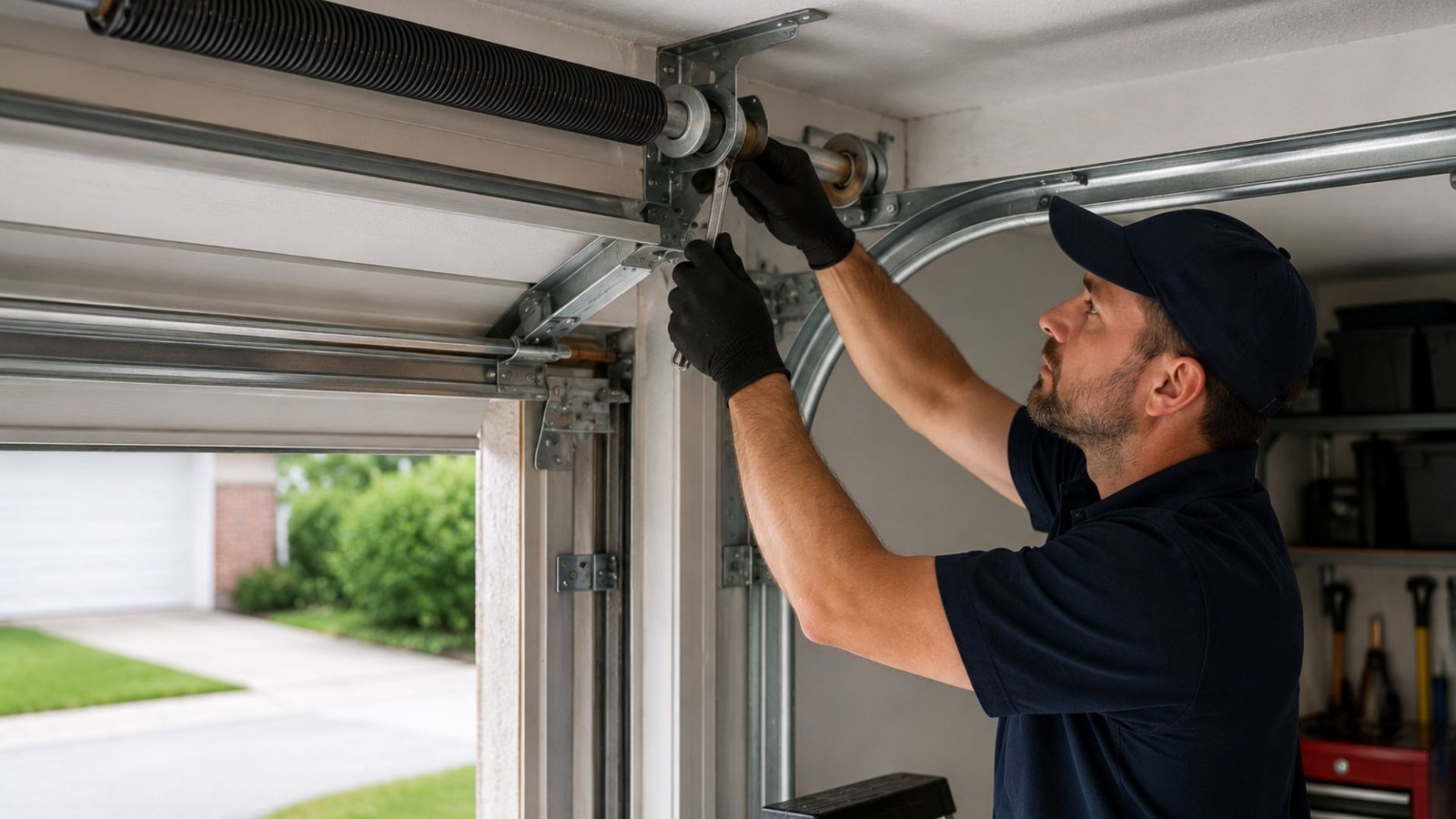

Garage Door Makes Popping Noise When Opening? Here's What's Causing It and How to Fix It
That sudden popping noise when your garage door opens can stop you in your tracks. Is it dangerous? Is something about to break? Should you keep using it or call someone right away?
The good news is that a popping or snapping sound does not always mean disaster. But it does mean something in your system is under stress, out of alignment, or in serious need of attention. Let’s break it down clearly so you know exactly what you’re dealing with.
Why Your Garage Door Makes a Popping Noise When Opening
Garage doors are mechanical systems made up of many moving parts – metal tracks, coil springs, hinges, cables, rollers, and an opener. When any one of these components is worn, dry, or misaligned, friction and vibration can create that sharp popping or cracking sound you’re hearing.
The cause is not always obvious at first glance, which is why a proper inspection matters more than guessing.
Lack of Lubrication Is the Most Common Culprit
If your garage door is making a popping noise, the first thing to check is lubrication.
Metal-on-metal contact without a proper lubricant creates friction, which creates noise – and over time, serious wear.
The hinges, torsion spring, and rollers all need to be properly lubricated to move smoothly. The tracks should be kept clean and free of debris, but they should not be coated heavily with grease. Many homeowners reach for WD-40, but here’s the thing: WD-40 is a solvent and cleaner, not a true lubricant. It can temporarily quiet things down, but it won’t provide the lasting protection your door needs.
What actually works? A white lithium grease or a lithium soap-based lubricant is the right choice for garage doors. These products cling to metal surfaces, reduce friction, and hold up against temperature changes – which matters in Texas, where heat can cause metal components to expand and contract constantly.
Torsion Spring Tension and Popping Sounds
The torsion spring sits above your garage door and does the heavy lifting every time the door opens or closes. When this spring loses tension or starts to wear, it can produce a loud popping or banging noise that echoes through the garage.
This is one situation where you should not attempt a DIY fix. Torsion springs are under extreme tension, and working on them without the right training and tools creates a serious risk of injury.
Even loosening a single screw in the wrong spot can cause the spring to release suddenly with enough force to cause real harm.
If the popping seems to be coming from the top of the door near the spring area, stop using the door and call an expert.
Worn or Loose Hinges
Every panel of your garage door is connected by hinges, and those hinges take a beating over thousands of open-and-close cycles. When a hinge becomes worn, cracked, or simply loose, it can snap or pop as the door bends through its arc.
Check the hinges visually. Look for any that appear bent, rusted, or cracked. Tighten any loose bolts using a wrench – but if a hinge is visibly damaged, it needs to be replaced, not just tightened.
Nylon rollers are generally quieter than metal rollers, and upgrading to nylon can also reduce some of the vibration that contributes to popping sounds.
Track Problems and Misalignment
The door travels up and down along metal tracks on either side. If those tracks are slightly bent, have debris inside them, or the mounting bolts have worked loose over time, the door can jerk and pop as it tries to move through the misaligned section.
Run your eyes along the track and look for visible gaps between the roller and the track, bends, or sections that look off. Do not try to force the track back into position on your own – misaligned tracks can cause the door to come off completely, which is a serious safety hazard.
Chain Drive Openers and Normal Noise
If you have a chain drive opener, some noise is expected. Chain drives are the most common and affordable opener type, but they naturally produce more sound than belt or screw drive openers. The chain can slap or pop if it’s too loose, lacks lubrication, or the drive gear has worn teeth.
Lubricating the chain according to the manufacturer’s instructions – using the right grease, not WD-40 – can quiet things down significantly. If the chain looks visibly saggy or damaged, the opener may need service.
Weatherstripping and Temperature Changes
This one surprises people. The rubber weatherstripping along the bottom and sides of your door can dry out, crack, and stiffen – especially after harsh heat exposure. When the door opens, stiff or brittle weatherstripping can make a popping or tearing sound as it separates from the ground or frame.
This is one of the easier fixes: replacing weatherstripping is straightforward and affordable, and it also helps with energy efficiency and keeping pests out.
How to Quiet a Popping Garage Door: A Practical Approach
Start with a basic inspection before spending money on anything. Walk the door through a full open-and-close cycle and listen carefully for where the sound is coming from – top of the door, sides, bottom, or the opener itself.
Then follow this order:
- Lubricate all moving parts with a white lithium grease or lithium soap-based product – hinges, rollers, torsion spring coils, and the track. Skip WD-40.
- Tighten any loose nuts, bolts, and screws on the hinges and track brackets using a wrench. Do not overtighten.
- Check the weatherstripping for cracking or stiffness and replace it if needed.
- Inspect rollers for visible wear. Nylon rollers are worth considering if yours are old metal ones.
- Listen again. If the popping continues – especially near the torsion spring – stop and call a professional.
When to Call a Professional in League City
Some repairs are genuinely safe to DIY. Lubricating hinges? Fine. Tightening a loose nut? Go ahead. But torsion spring work, track realignment, and cable repairs all carry a real risk of injury if handled without the proper training and tools.
A professional technician will do a full inspection, identify the exact source of the noise, and fix it correctly the first time – without putting anyone at risk. Regular garage door maintenance also catches these issues before they turn into a popping noise or worse.
Frequently Asked Questions
Is a popping garage door dangerous?
It depends on the cause. A dry hinge is annoying but not immediately dangerous. A failing torsion spring, however, is a serious safety concern. When in doubt, have it inspected.
Can I use WD-40 to stop the noise?
WD-40 can temporarily reduce noise, but it is not a proper lubricant for garage door components. Use white lithium grease or a lithium soap-based product instead for lasting results.
How often should I lubricate my garage door?
Twice a year is a good baseline, but in areas with significant temperature swings, more frequent lubrication helps keep things running smoothly.
What if the popping only happens in cold or hot weather?
Temperature causes metal to expand and contract. If noise is seasonal, increased lubrication and a maintenance check can usually resolve it.
What to Do if Your Garage Door Keeps Making Popping Noises
A popping garage door is your system’s way of asking for attention – and the sooner you respond, the less likely it is to turn into a bigger, costlier problem. Start with lubrication and a basic visual check, but know when to step back and let a professional handle it safely.
If the noise persists or you suspect the torsion spring is involved, schedule a garage door repair with a licensed technician who can diagnose and fix the problem correctly. You can also reach us at (832) 693-9894 to get your door inspected before a small noise becomes a major repair.