
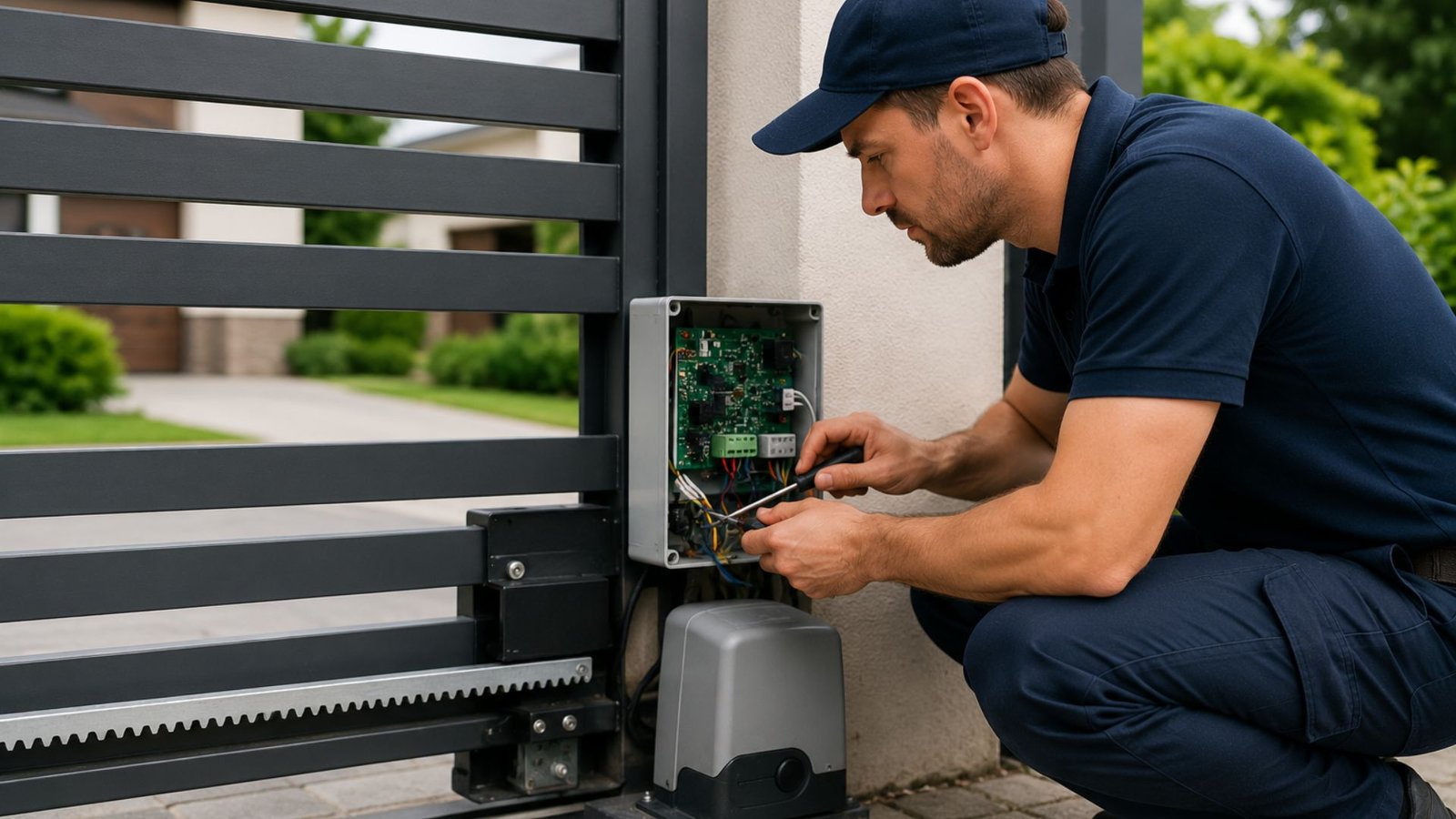

Electric Gate Not Working? Common Causes and Easy Fixes You Can Try Today
Your electric gate was working fine yesterday, and now it just sits there doing nothing. No movement, no beep, no response. It is frustrating, especially when you are trying to get in or out of your driveway, and the gate will not cooperate.
The good news is that many electric gate problems have straightforward causes. Before you call a technician, there are a few things you can check yourself. This guide walks you through the most common reasons an electric gate stops working and what you can actually do about it today.
Start Here: Is It a Power Problem?
The most overlooked cause of an electric gate not working is a simple power issue. Before you assume something is broken, check whether the gate is actually receiving power.
Check the Circuit Breaker
Go to your electrical panel and look for a tripped breaker. A power outage, power surge, or even a lightning strike nearby can flip a breaker without you noticing. Reset it and try the gate again.
If the breaker trips again immediately, do not keep resetting it. That is a sign of a deeper electrical wiring issue, and continuing to force it can pose a serious electrical risk. At that point, contact a licensed expert.
Inspect the Power Supply and Transformer
Your electric gate runs through a transformer that converts standard power into the lower voltage the gate motor needs. If the transformer is faulty or has failed, your gate will not respond at all.
Use a voltmeter only if you know how to do so safely, or simply check whether any indicator lights on the control box are lit. No lights typically means no power reaching the system. Check that the power supply is plugged in securely and that no wires are visibly damaged or corroded.
Remote Control and Keypad Troubleshooting
Once you confirm the gate has power, the next thing to look at is how you are trying to open it.
Your Remote Control or Transmitter May Be the Problem
A dead or weak battery in your remote control or transmitter is one of the most common reasons an electric gate appears to stop working. Swap out the battery with a fresh one and try again. It sounds too simple, but this fix works more often than you would think.
If you have replaced the battery and the remote still does not work, the transmitter itself may have lost its pairing with the gate. Check your gate’s manual for how to reprogram or sync the remote. Many gates have a “learn” button on the motor unit that you hold down while pressing the remote button to re-establish the connection.
Keypad Not Responding
If the keypad on your gate post is not responding, start by checking for physical damage.
Exposure to moisture, direct sunlight, and general wear can cause keypads to fail over time. Corrosion on the keypad contacts is also common, especially in humid climates.
Clean the keypad surface and check whether the connection cable running from the keypad to the control board is secure. A loose or damaged connection is often the culprit. If the keypad is completely dead, it may need to be replaced.
Sensor and Safety Feature Issues
Modern electric gates come equipped with sensors designed to stop the gate from closing on a person, pet, or vehicle. These are important safety features, but they can also cause your gate to stop mid-cycle or refuse to close entirely.
Check for Obstructions in the Gate Path
Walk along the gate path and look for anything blocking the sensors – leaves, a fallen branch, mud, or even a small object like a toy or garden tool. Debris buildup near the sensor can trick the system into thinking something is in the way, causing the gate to halt.
Clear the area, then try operating the gate again. If the gate closes normally, a blocked sensor was your problem.
Sensor Alignment
Gate sensors typically work in pairs – one sends a signal, the other receives it. If they are out of alignment, the gate will not close. Look at both sensors and make sure they are pointed directly at each other. Most sensors have a small LED indicator that changes color or blinks when the alignment is off.
Gently adjust the sensor brackets until both lights are solid and steady, then test the gate again.
Mechanical Problems That Stop the Gate from Moving
Sometimes the problem is not electrical at all. The physical components of the gate can wear out, become obstructed, or seize up over time.
Look for Debris or Damage Along the Track
For sliding electric gates, the track the gate rolls along must be clean and clear. Dirt, gravel, twigs, or even a warped section of track can cause the gate to jam or stop moving. Inspect the full length of the track and remove anything that does not belong there.
If the track itself looks bent or damaged, that will need professional attention. Trying to straighten a damaged track yourself can make the problem worse and put more strain on the motor.
Lubrication and Rust
Gates that sit unused for a while – or that have not been maintained – can develop rust and stiffness in their moving parts. A basic spray of WD-40 or a proper gate lubricant on the hinges, rollers, and any pivot points can sometimes free up a gate that feels stuck.
Do not over-apply, and avoid getting lubricant on the rubber seals or the sensor lenses. After lubricating, try opening the gate manually (if your gate has a manual release) to see if it moves more freely before switching back to electric mode.
Backup Battery and Battery-Related Issues
Many electric gates include a backup battery system that allows the gate to function during a power outage. This is a great feature, but the backup battery has a lifespan and will eventually fail.
If your gate only stops working during power outages and functions normally otherwise, your backup battery is likely dead or not holding a charge. Most gate batteries need to be replaced every two to four years depending on usage and conditions.
Check the battery terminals for corrosion as well. A corroded connection can prevent the backup battery from charging properly, meaning it is empty when you need it most. Clean the terminals with a dry cloth or light sandpaper if you see any white or greenish buildup.
When to Stop DIY Troubleshooting
There is a point where troubleshooting on your own stops being helpful and starts becoming risky. Electric gate systems involve high-voltage components, and if you are not trained to work with them, you can cause additional damage or injure yourself.
Stop and call a technician if:
- The gate sparks or makes burning smells
- The motor runs, but the gate does not move
- You notice damaged or exposed electrical wiring
- The breaker trips repeatedly after resetting
- The gate moves erratically or slams shut unexpectedly
These are signs of issues that go beyond a simple fix. A licensed expert can safely diagnose the problem, identify whether it is the motor, control board, wiring, or something else, and repair it correctly the first time.
Regular Maintenance Prevents Most Gate Problems
Homeowners like Daniel, Cece, Cory, and David have all discovered the same thing – gates that get regular inspections and tune-ups almost never fail without warning. Routine maintenance keeps every component, from the sensors to the transmitter connections to the backup battery, working reliably.
A proper maintenance inspection includes checking the power supply, testing sensor alignment, lubricating moving parts, verifying the remote control and keypad function, and looking for early signs of corrosion or wear. Catching small issues early is always less expensive and less disruptive than dealing with a gate that has completely stopped working.
Frequently Asked Questions
Why does my electric gate open but not close?
This is almost always a sensor issue. Check the gate path for debris and inspect the sensor alignment. If both sensors are clean and aligned but the gate still will not close, the sensor itself may be faulty and need replacement.
My gate remote stopped working suddenly. What happened?
Start with the battery in your transmitter. If a fresh battery does not help, the remote may have lost its pairing with the control board or the remote unit itself may have failed. Re-syncing the remote is usually a quick fix you can do by following the steps in your gate manual.
Can a power outage damage my electric gate?
A clean outage usually does no damage, but a power surge – which sometimes accompanies an outage – can fry the control board or transformer. If your gate stopped working right after a storm or outage, have a technician check the electronics before assuming it is a simple fix.
How often should an electric gate be serviced?
At minimum, once a year. If your gate gets heavy daily use or is exposed to weather extremes, every six months is a safer schedule. Regular service extends the life of the motor, sensors, and all associated components.
What to Do Next If Your Electric Gate Still Isn’t Working
Most electric gate problems come down to a handful of causes – power issues, remote control failures, sensor blockages, and lack of maintenance. Start with the simple checks before assuming you need a major repair. If you work through these steps and the gate still will not cooperate, it is time to bring in a professional. For reliable gate and garage door repair from a team that shows up prepared and does the job right, check out our garage door repair services to schedule an inspection today.