
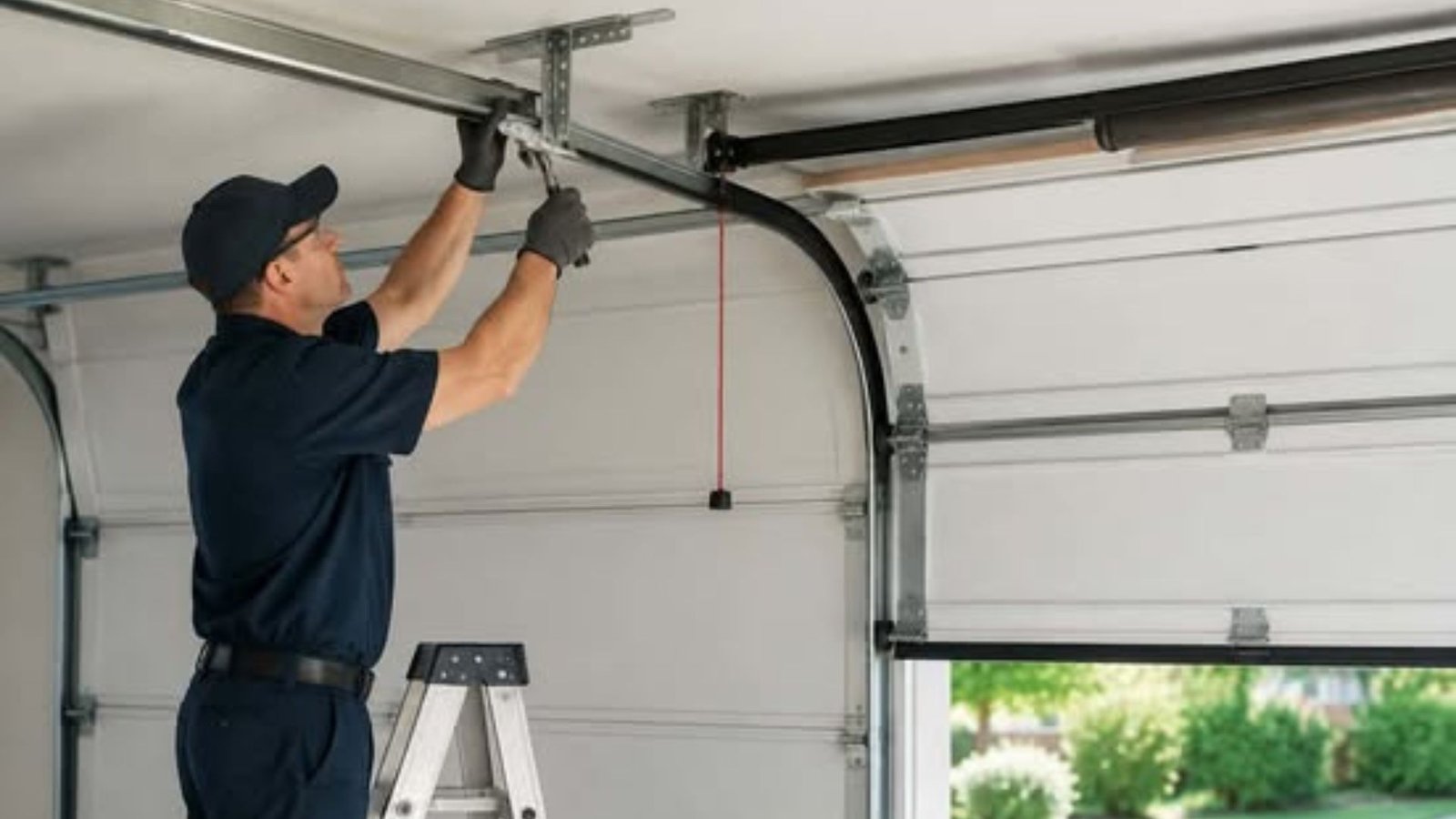

Tight Ceiling, Full Clearance: The Low Headroom Garage Door Track Fix
If your garage has a low ceiling, you already know the frustration. Standard garage doors need a certain amount of space above the opening to arc up and travel back along the ceiling. When that space does not exist, the door simply cannot function the way it was designed to. But here is the good news: a low headroom garage door track system is a real, proven fix that works even when your ceiling feels like it is closing in on you.
What Is a Low Headroom Garage Door Track?
A standard residential garage door track uses a curved section at the top of the door opening to guide the door from vertical to horizontal. That curve requires headroom, typically around 12 inches above the top of the door opening. If your garage ceiling sits lower than that, the standard track will not fit.
A low headroom track is a specially designed double-track system that reduces the space needed above the door. Instead of relying on a wide arc, it uses a tighter radius and a modified bracket configuration to guide the door panels through the transition. The result is a fully functioning door even in a space where a standard track would fail.
Why Headroom Matters More Than Most People Think
Most homeowners do not measure their headroom until they are already mid-installation and something does not line up. The clearance between the top of the door opening and the lowest obstruction above it, whether that is a beam, a bulkhead, or a structural element, determines what kind of track system your door actually needs.
If you have less than the standard 12 inches of clearance, a conventional track will force the door into the ceiling or bind against the framing. That kind of pressure damages the hinge points over time and can warp steel panels on heavier doors. It also puts unnecessary strain on your garage door opener.
The Low Headroom Track Fix: How It Actually Works
The Double-Track Design
Low headroom systems use a double-track setup. One track handles the upper portion of the door travel while the second manages the transition zone. This split design allows the top panel of the door to stay closer to the ceiling while the rest of the door moves into its horizontal position.
It is a more complex system than a standard track, which is exactly why proper installation matters. Each bracket must be positioned precisely. Even a small misalignment can cause the door to bind, skip, or put uneven pressure on the panels and hinges.
Bracket and Hardware Adjustments
With a low headroom setup, the bracket placement changes significantly. The horizontal track sits closer to the ceiling, and the rear hanger brackets need to be measured and set with care to maintain consistent spacing. The top hinge on each panel also plays a bigger role in guiding the door through the tighter arc.
Brands like Clopay manufacture doors that can be paired with low headroom track kits. These kits are engineered to work within the specific tolerances required for reduced clearance installations.
Common Scenarios Where This Fix Is Needed
Not every garage is built the same. Here are the situations where a low headroom track becomes necessary:
- Old construction with low ceilings – Many older homes in League City have garages that were built before taller garage doors became the standard. The ceiling height simply was not planned with modern door hardware in mind.
- Garage conversions – When a space was converted into a garage after the original build, the ceiling height often ends up tighter than ideal.
- Bulkhead or beam obstructions – Structural elements like a bulkhead or a beam running across the ceiling can eat into usable headroom even when the raw ceiling height seems acceptable.
- Opener placement conflicts – Sometimes the garage door opener rail competes for the same space the door track needs. A low headroom system can resolve this by repositioning how and where the track runs.
What to Watch Out for During Installation
Measuring Before Anything Else
The measurements matter here more than almost anywhere else in a garage door installation. You need to measure the headroom from the top of the door opening to the lowest ceiling obstruction. You also need to account for the track itself, the hardware, and whether a garage door opener will be mounted in the same space.
Getting this wrong by even an inch or two can mean the entire system needs to be repositioned, which wastes time and money.
Panel Compatibility
Not every door panel works with a low headroom track. Thicker, heavier steel panels may require different hinge configurations. Short panels, typically around 12 inches tall, are often recommended for low headroom setups because they allow the door to curve more easily through the transition zone.
If you are replacing an existing door, this is the right moment to evaluate whether your current panels are compatible or whether a new door makes more sense alongside the new track.
Is This a DIY Job or a Professional Installation?
Technically, low headroom track kits are sold at hardware stores. Practically speaking, this is a job where small errors create big problems. The double-track design requires precise bracket placement, correct tension on the springs, and proper alignment of the hinge points across every panel.
A miscalibrated spring in a low headroom setup can cause the door to travel unevenly, which puts stress on the steel panels and shortens the life of the entire system. For a garage door that needs to function safely and reliably every day, professional installation is the smarter call.
Frequently Asked Questions
How much headroom do I actually need for a standard garage door track?
Most standard residential garage door installations require at least 12 inches of headroom above the top of the door opening. If you have less than that, a low headroom track system is typically required.
Can any garage door work with a low headroom track?
Not every door is compatible. Short-panel steel doors work best. Heavier doors or those with non-standard panel heights may require custom hardware or specific hinge configurations. A professional assessment will give you a clear answer for your specific door and ceiling situation.
Will a low headroom system affect how my garage door opener works?
It can, depending on the opener type. Jackshaft openers are often preferred in low headroom situations because they mount to the side of the door rather than using a ceiling rail. If you have a traditional overhead opener, your installer may need to adjust the rail height or recommend a different opener model.
Does a low headroom track change how the door looks from the outside?
No. The track system is entirely inside the garage. From the curb, the door looks and operates the same as any other garage door.
Get the Right Low Headroom Garage Door Track for Your Garage
A tight ceiling does not have to mean a non-functioning door. The right low headroom garage door track setup gives your door full clearance to operate properly, even when space is limited. Whether you are dealing with a bulkhead, a beam, or simply an older garage that was never built with modern doors in mind, the fix exists and it works.
If you are ready to get it done right the first time, reach out to Level Up Garage Door for professional garage door repair and installation from a team that knows what your space needs.