
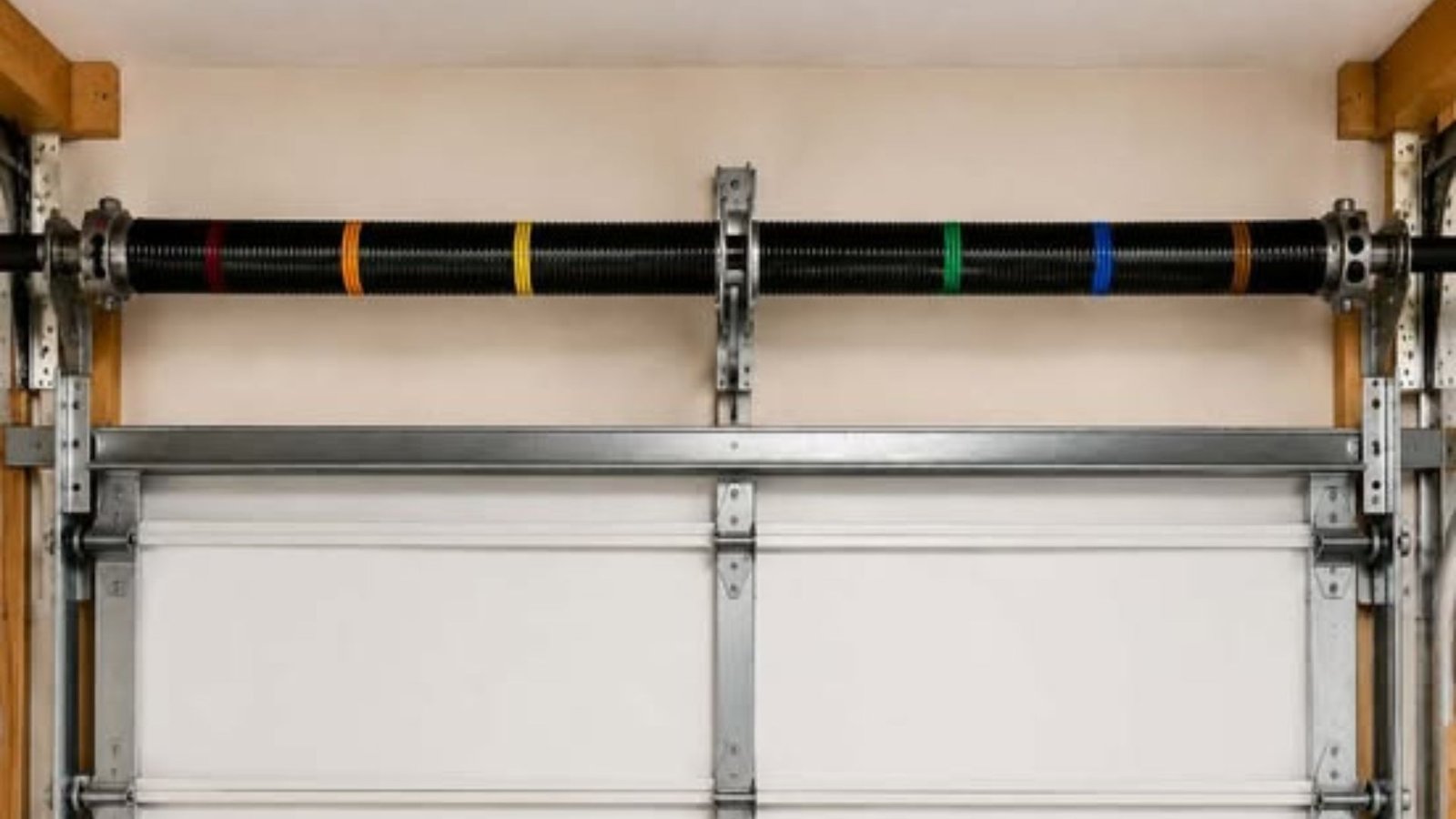

Garage Door Spring Color Code Chart Explained
If you have ever stared at a garage door spring and wondered what those paint streaks on the end mean, you are not alone. That color code is not just decorative – it is a standardized system that tells you the exact wire gauge and specifications of the spring. Understanding it can save you time, money, and a lot of guesswork.
What Is the Garage Door Spring Color Code System?
The color code system for garage door springs was established to make identification faster and more reliable. The Door and Access Systems Manufacturers Association (DASMA) developed this standard, and most major manufacturers follow it, including IDC Spring, Service Spring, and SSC.
Each torsion spring gets a painted stripe on one of its ends. That stripe corresponds to a specific wire gauge, which tells you how thick the wire is. Wire gauge directly affects how much weight a torsion spring can handle and how long it will last under regular use.
Reading the Garage Door Spring Color Code Chart
The chart works like this – each color represents a specific wire diameter measured in thousandths of an inch. Here is a quick look at the most common ones:
Wire Gauge (inches) | Color Code
|
|---|---|
0.207 | White |
0.218 | Green |
0.225 | Yellow |
0.234 | Blue |
0.243 | Red |
0.250 | Orange |
0.262 | Brown |
0.273 | Gold/Yellow |
0.283 | Light Blue |
0.295 | White/Red |
These are the wire gauges most commonly found on residential garage door torsion springs. Thicker wire means a stronger spring that can support more door weight.
Why the Wire Gauge Matters More Than You Think
A torsion spring works by storing mechanical energy when the door is closed and releasing it when the door opens. If the wire gauge is wrong for your door’s weight, the spring is either overworked or underperforming – both of which lead to premature failure.
For a standard single-car residential garage door weighing around 150 to 200 pounds, a mid-range wire gauge is typical. Heavier doors made of wood or insulated steel panels require thicker wire and a higher spring rate to function safely.
Matching the Spring to the Door
This is where most DIYers run into trouble. Matching a replacement torsion spring is not just about matching the color. You also need to account for:
- Wire diameter – confirmed by the color code
- Inside diameter of the spring coil
- Overall length of the spring
- Wind direction – left-wound or right-wound
- Door weight – which determines the required spring rate
Getting even one of these wrong can mean the door does not balance properly or the spring fails early.
How Manufacturers Use the Color Code
Companies like IDC Spring and Service Spring use DASMA’s color-coding standard across their product lines. SSC and other suppliers follow the same convention so that technicians can quickly identify springs without needing calipers on every job.
This standardization is especially helpful during repairs, when a technician removes a broken spring from a door and needs to source an exact match. One glance at the color stripe tells them the wire gauge, which narrows down the search considerably.
Should You Replace a Garage Door Spring Yourself?
Here is the honest answer – probably not. Torsion springs are under extreme tension. A spring that breaks without warning can cause serious injury. Even correctly identifying the right spring using the color code chart does not eliminate the risks involved in winding and mounting it.
That is why most professionals recommend leaving spring replacement to licensed technicians. The color code chart is a helpful reference, but it is a diagnostic tool – not a DIY green light.
If your spring is broken, making noise, or your door feels unusually heavy, a professional inspection is the smarter and safer first step.
How to Use the Garage Door Spring Color Code Chart Safely
Understanding the garage door spring color code chart puts you ahead of most homeowners. You now know what those paint stripes mean, how wire gauge affects door performance, and why matching the right spring to your door’s weight is critical. But knowing is only half the battle – the actual work of replacing a torsion spring is best handled by a trained technician. If your springs need attention, reach out to the Level Up Garage Door team for expert garage door repair you can count on.