
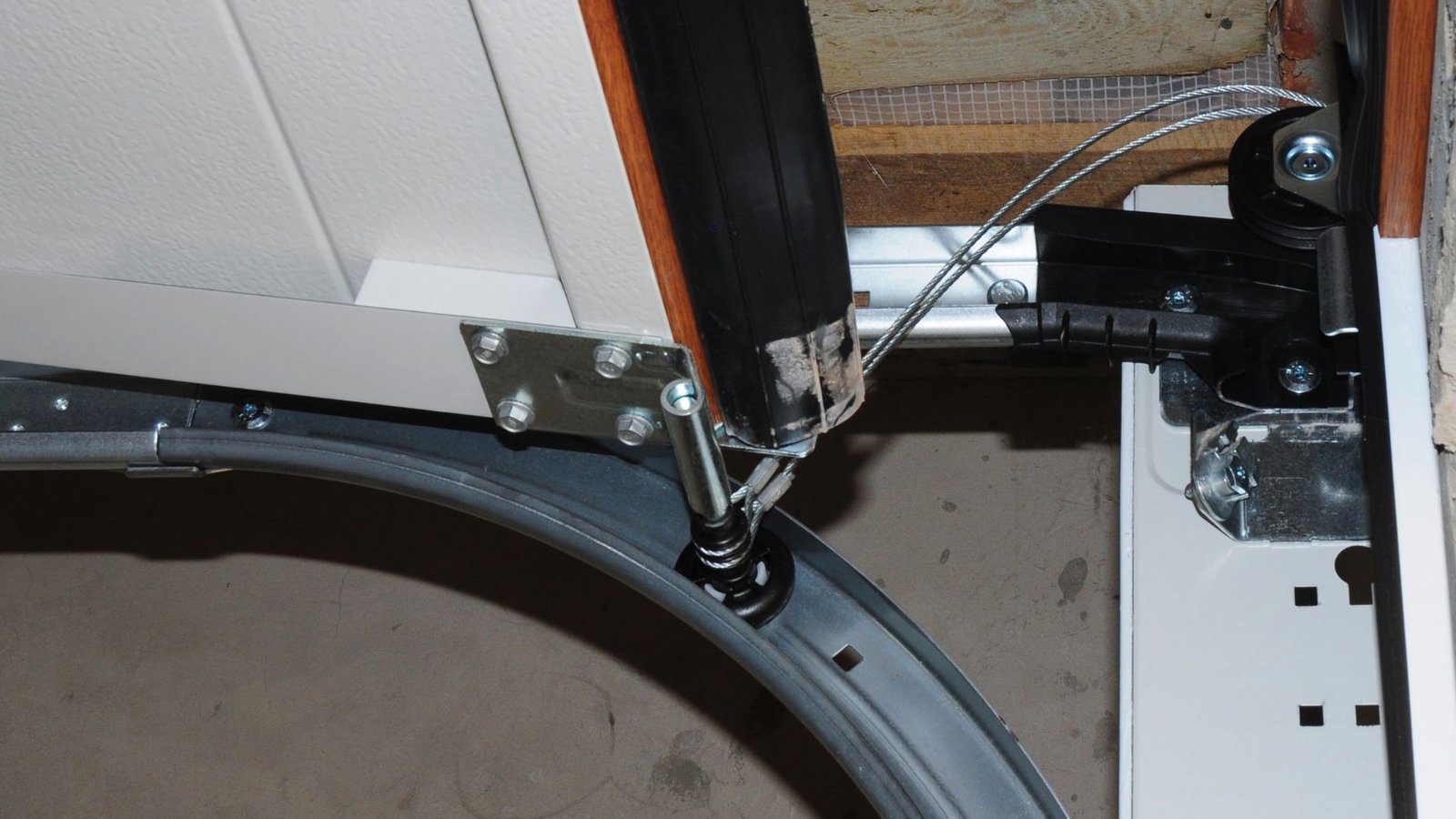

How to Clean Garage Door Tracks the Right Way
Most garage door problems don’t start with a broken spring or a failing opener. They start with dirty tracks. Grime, debris, and built-up grease quietly cause friction that wears down your door’s parts over time – and most homeowners don’t notice until something stops working.
The good news? Cleaning your garage door tracks is a simple maintenance task you can do yourself. Here’s how to do it right.
Why Dirty Tracks Cause So Many Problems
Your garage door rides along two vertical and horizontal tracks on either side. Every time the door opens or closes, the rollers travel through those tracks. When dirt and debris collect inside, the rollers don’t move smoothly.
That friction puts stress on everything connected to the door – the hinges, bearings, cables, and opener motor. Over time, you’ll hear that familiar grinding noise, or worse, the door starts jerking or stalling mid-cycle.
Humidity and rain make things worse, especially in League City, Texas, where the coastal climate accelerates rust and corrosion on metal parts. A track that looks fine in dry weather can deteriorate quickly when moisture gets involved.
Signs Your Tracks Need Cleaning Now
You don’t have to wait for your next scheduled cleaning if you notice any of these:
- Grinding, squealing, or rattling as the door opens or closes (if a cleaning doesn’t quiet it down, it’s worth checking why your garage door is so loud)
- Visible dirt, leaves, or dark grease buildup inside the track
- The door hesitating, jerking, or slowing down partway through its cycle
- Rollers that look stuck or don’t glide smoothly by hand when the door is disconnected
Any one of these is a sign your tracks, and possibly your rollers, need attention before the wear spreads to other parts.
What You’ll Need Before You Start
You don’t need a lot of supplies. Most of what you need is probably already in your home.
- A dry rag or old cloth
- A stiff-bristle brush (an old toothbrush works surprisingly well for tight corners)
- Mild household cleaner or dish soap diluted in water
- A bucket of clean water for rinsing
- Lubricant – a silicone-based spray or white lithium grease
- A step stool if needed for the upper horizontal tracks
One important note on lubricant: do not use WD-40 on your tracks. WD-40 is a solvent, not a lubricant. It can actually strip away protective coatings and attract more dirt over time. Save it for loosening rusted bolts – not for your tracks.
How to Clean Garage Door Tracks Step by Step
Step 1: Disconnect the Opener and Secure the Door
Before you touch anything, disconnect the automatic opener and make sure the door is fully closed. This prevents the door from moving while you’re working near the tracks and rollers.
Step 2: Remove Loose Debris First
Use a dry rag to wipe out any large chunks of dirt, leaves, or buildup from inside the track. For the tight corners and edges, grab that toothbrush – it gets into spots a cloth can’t reach.
David, a homeowner who maintains his garage every season, swears by using a narrow brush to clear the bottom curve of the track where debris tends to compact over time.
Step 3: Scrub the Tracks Clean
Dampen your cloth with the soap-and-water solution and scrub the inside of the tracks thoroughly. Pay attention to dark, sticky residue – that’s usually old grease mixed with grime. It may take a little effort to remove.
Avoid soaking the tracks with water. You just want enough moisture to break up the buildup, not introduce more corrosion risk.
Step 4: Dry Everything Completely
Wipe the tracks dry with a clean cloth. Don’t skip this step. Leaving moisture behind invites rust, especially on metal tracks exposed to humidity.
Travis, who repairs residential garage doors regularly, notes that corrosion almost always starts in spots that weren’t dried properly after cleaning or rain exposure.
Step 5: Apply Lubricant – But Only Where It Belongs
Here’s where people make a common mistake. Lubrication goes on the rollers, hinges, and bearings – not the tracks themselves. Applying grease or lubricant inside the tracks creates a sticky surface that collects even more dirt and debris.
If your rollers are nylon, they typically don’t need lubrication. If they’re metal, a small amount of silicone spray on the roller stem is enough.
How Often Should You Clean the Tracks?
For most residential garages in League City, a light cleaning every three to four months is reasonable. If your garage faces the street or sits near trees, you may need to clean the tracks more frequently due to dust and debris exposure.
A full maintenance check twice a year – including lubrication of all moving parts – is a smart habit that prevents costly repairs down the road.
Why Clean Tracks Save You Money
Track cleaning gets overlooked because it feels like a cosmetic chore, but the money angle is real. Grimy tracks force your rollers, bearings, and opener motor to work harder than they should, and that extra strain is what turns a thirty-minute cleaning job into a much bigger repair bill.
A worn opener motor, a cracked roller, or a snapped cable are all more expensive to fix than a bottle of dish soap and an old toothbrush. If you want a sense of what those repairs actually run, our garage door repair cost breakdown gives you a realistic range, so you can see exactly what regular track maintenance is helping you avoid.
When Cleaning Isn’t Enough
Sometimes a door that’s off-track, noisy, or sluggish has a deeper issue – a bent track, worn rollers, or damaged bearings that no amount of cleaning will fix. If the door still struggles after a thorough cleaning, it’s time to bring in a professional.
Frequently Asked Questions
Should I clean the rollers at the same time as the tracks?
Yes, it’s worth doing both together since dirty tracks and worn rollers usually go hand in hand. If you’re not sure whether yours need attention, it’s worth knowing how often garage door rollers should be replaced so you can tell normal wear from a part that needs swapping out.
Can I use vinegar instead of dish soap to clean the tracks?
Diluted white vinegar can cut through grease in a pinch, but stick with mild dish soap and water for regular cleanings. Vinegar is acidic enough that repeated use can be harder on metal tracks over time.
Why is my door still noisy after I clean the tracks?
If the grinding or rattling doesn’t go away, the tracks probably weren’t the only issue. Worn rollers, loose hardware, or a bent track section can all keep making noise even after a thorough cleaning.
Is rust on garage door tracks normal in League City’s climate?
Some surface rust is common given the humidity here, but it shouldn’t be extensive if the tracks are cleaned and dried regularly. Heavy rust usually means moisture has been sitting for a while.
Will dirty tracks actually damage my garage door opener?
Yes. Extra friction from grimy tracks makes the opener motor work harder to lift and lower the door, and that added strain shortens its lifespan over time.
Keep Your Garage Door Tracks Clean and Running Smoothly
Cleaning your garage door tracks is one of the easiest ways to extend the life of your door and avoid expensive repairs. A toothbrush, a rag, and thirty minutes can make a real difference. But if the noise, friction, or misalignment persists after cleaning, that’s a sign something more is going on. Our garage door maintenance service covers a full inspection and tune-up to catch problems before they turn into repair bills. Schedule yours today.